
For most people, a home is their largest financial investment. Many homeowners make the mistake of waiting for an appliance to fail, a pipe to burst, or the roof to leak before taking action. This approach is one of the most expensive ways to manage a property. Minor neglect compounds over time, turning small issues into major financial drains. Shifting from reactive repairs to proactive maintenance preserves your house’s structural integrity and is a high-yield investment strategy. By addressing key areas of your property before they deteriorate, you can reduce utility costs, avoid emergency service fees, and extend the lifespan of your home’s expensive systems by years.
Audit and Upgrade Attic and Wall Barriers
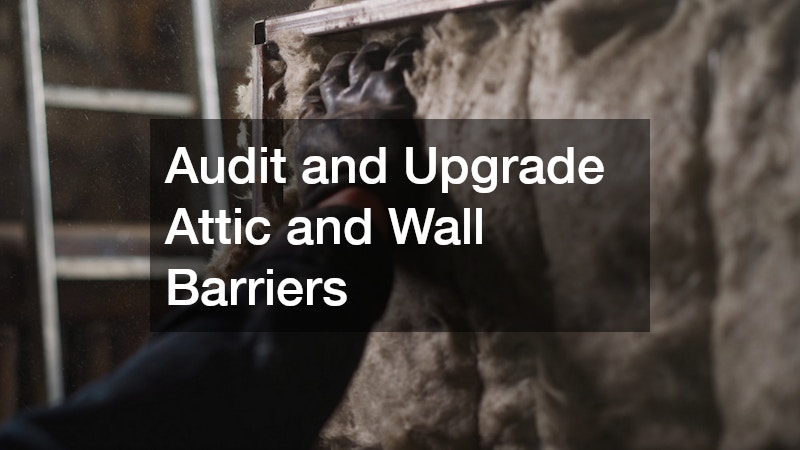
Many homes, particularly older ones, suffer from inadequate or degraded insulation. Over time, loose-fill materials can settle, or external factors like pests and minor roof leaks can compromise the material’s integrity, leaving large thermal gaps.
- Measure Current Levels: Head into your attic with a standard measuring tape to check the depth of your insulation. If you can see the tops of your ceiling joists, you likely have less than an R-30 value, which is insufficient for most climates.
- Identify Problem Zones: Pay special attention to the areas directly above attached garages, unheated crawlspaces, and vertical knee walls, as these are notorious spots for major heat transfer.
- Assess Material Condition: Look for compressed patches, discoloration from moisture, or signs of animal nesting, all of which heavily degrade insulating performance.
Investing in a professional evaluation can uncover hidden voids within your walls that are impossible to spot with the naked eye. Bringing in a local insulation contractor to blow in cellulose or install spray foam can permanently stabilize your indoor climate. The financial return is immediate: proper insulation upgrades typically cut heating and cooling costs by up to 15%, paying for themselves in just a few seasons.
Eliminate Drafts and Upgrade Aging Window Units
Windows represent another significant vulnerability in the home’s thermal boundary. Old, single-pane glass or units with deteriorated perimeter seals allow expensive treated air to bleed directly into the atmosphere.
- Perform the Candle Test: On a windy day, hold a lit candle or a stick of incense near your window frames. If the flame flickers or smoke dances horizontally, you have a draft that needs addressing.
- Recaulk and Weatherstrip: For minor leaks around the exterior trim or interior casing, apply a high-quality silicone or polyurethane caulk. Replace brittle, worn-out foam or V-strip weatherstripping along the moving sashes.
- Evaluate Structural Integrity: Look for signs of rotted wood, recurring condensation trapped between double panes, or frames that warp and stick when opening.
When window frames become structurally compromised or lose their internal gas fills, simple caulking is no longer enough to stop the financial bleeding. Utilizing professional window replacement services to install modern, double- or triple-pane units equipped with Low-E glass coatings will transform your home’s efficiency. These advanced windows block radiant heat while trapping indoor warmth, heavily reducing the workload on your HVAC system and protecting your interior furnishings from UV fading.
Pre-Season Diagnostics and Calibration
The ideal time to service an air conditioner or heater is before you actually need it. Waiting until the first scorching summer day or freezing winter night to turn on your system often results in discovering a failure when technicians are at their busiest and costliest.
- Clear Seasonal Debris: Keep the outdoor condensing unit clear of leaves, high grass, and twigs. Maintain at least a two-foot clearance around the perimeter to ensure optimal airflow.
- Inspect the Condensate Line: Check the plastic drain tube for algae clogs or standing water, which can trigger automatic safety switches and shut down the entire system.
- Schedule Professional Inspections: Arrange for a comprehensive diagnostic checkup during the mild spring or autumn months.
A certified technician from a reputable HVAC company can perform critical technical tasks that homeowners cannot, such as measuring electrical draw, checking refrigerant charge levels, and testing safety controls. This preventative maintenance ensures the machinery runs at peak efficiency all season long, preventing emergency breakdown fees during peak weather anomalies.
Optimizing Winter Heating Systems

When winter settles in, your heating system becomes the primary consumer of household energy. Neglecting the mechanical components of your heating unit forces it to work longer cycles to achieve the target temperature, driving up fuel or electric bills.
- Replace Filters Regularly: Check your system’s air filter every 30 days during peak usage. A clogged filter restricts airflow, forces the blower motor to work harder, and can cause the system to overheat and shut down.
- Monitor Cycle Patterns: Take note if your system is short-cycling—turning on and off rapidly every few minutes. This is a clear indicator of component stress or airflow restriction.
- Keep Registers Clear: Ensure that furniture, heavy drapes, and rugs are not blocking supply or return air vents, which disrupts the balanced airflow design of the system.
If your system begins making unusual banging noises, emits strange odors, or fails to satisfy the thermostat, immediate professional intervention is required. Prompt furnace repair can resolve issues like a failing flame sensor, a cracked heat exchanger, or a faulty igniter before the component fails completely, avoiding a freezing home and a massive emergency replacement invoice.
Upgrading to Modern Cooling Technology
If your air conditioning system is more than a decade old, it is likely operating on outdated, inefficient technology and using expensive, phased-out refrigerants. Continuing to repair a severely degraded, obsolete system is often a case of throwing good money after bad.
- Check the SEER Rating: Look at the yellow EnergyGuide label on your outdoor unit to find its Seasonal Energy Efficiency Ratio. Older systems often hover around 10 to 13 SEER, whereas modern baseline units start much higher.
- Assess Repair Frequency: Track how much you are spending annually on temporary fixes. If annual repair bills exceed 50% of the cost of a new system, replacement is the more financially sound option.
- Time the Market: Plan your equipment upgrades during the mild shoulder seasons when manufacturers and installers often offer promotional rebates and flexible financing options.
Investing in a professional air conditioner installation allows you to benefit from advanced features like variable-speed compressors and smart thermostat integration. Modern cooling units use substantially less electricity to achieve the same level of comfort, resulting in immediate, compounding monthly savings that help offset the upfront capital investment.
Sealing Air Distribution Leaks
Ductwork is frequently run through unconditioned zones of the home, such as attics, crawlspaces, and unfinished basements. When joints in these ducts pull apart or develop cracks, you end up paying to heat or cool spaces where nobody lives.
- Inspect Visible Junctions: Walk along the path of exposed ductwork and look for disconnected segments, peeling old duct tape, or visible gaps at the seams.
- Feel for Air Discharges: Turn the system fan on manually and run your hands over the duct connections to feel for escaping air currents.
- Check for Dust Accumulation: Heavy accumulation of dark dust around the exterior seams of your ducts often indicates that air is being sucked into or blown out of the joint.
Standard cloth-backed duct tape degrades rapidly under temperature fluctuations and is not suitable for long-term sealing. For durable, lasting results, complex or inaccessible duct networks require specialized attention. Investing in professional air duct repairs ensures that all hidden leaks are sealed using commercial-grade mastic or specialized metal-foil tapes. Properly sealed ducts can improve total system efficiency by up to 20%, ensuring that the air you pay to treat actually reaches your living areas.
Advanced Water Heater Care and Sediment Management
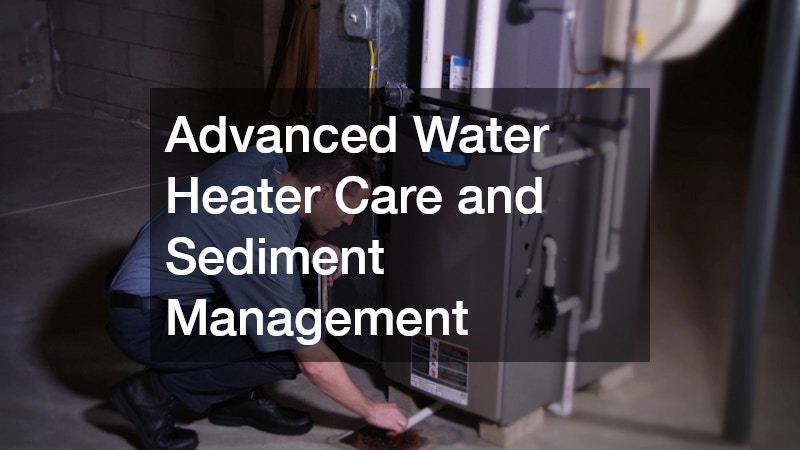
Your water heater operates under constant pressure and thermal stress, making it a prime candidate for proactive maintenance. As water is heated, dissolved minerals solidify and settle to the bottom of the tank, creating an insulating layer of sediment between the burner and the water.
- Flush the Tank Annually: Connect a standard garden hose to the drain valve at the base of the tank, run the other end to a safe drainage area, and flush the water until it runs completely clear of sediment.
- Test the Pressure Relief Valve: Briefly lift the lever on the temperature and pressure relief valve to ensure it discharges water and snaps shut cleanly without leaking.
- Optimize Temperature Settings: Dial the internal thermostat down to 120°F (49°C). This temperature is plenty hot for domestic use, reduces the rate of mineral buildup, and cuts standby heat loss.
Another critical component is the sacrificial anode rod, which intentionally corrodes to protect the steel tank lining from rusting. Checking and replacing this rod every three to five years can double the lifespan of your appliance. If you notice rusty hot water, sluggish heating performance, or a popping sound from the tank, you should hire water heater repair services immediately to rectify the issue before a catastrophic tank rupture floods your basement.
Proactive Pipe Maintenance and Leak Detection
A tiny, pinhole leak in a supply line can waste thousands of gallons of water per month and gradually compromise the framing of your home. Monitoring your plumbing infrastructure proactively is key to preventing water-based financial disasters.
- Check the Water Meter: Turn off every faucet and water-consuming appliance in your house, then watch your water meter’s leak indicator dial. If it continues to move, you have a hidden leak somewhere in your system.
- Inspect Vanities and Cabinets: Regularly empty the spaces under your kitchen and bathroom sinks to look for damp wood, water rings, or corrosion on shut-off valves.
- Monitor Water Pressure: Screw a simple pressure gauge onto an outdoor hose spigot. If your home’s water pressure registers above 80 PSI, install a pressure-reducing valve to protect your pipes and appliances from excessive stress.
When dealing with complex piping networks, aging galvanized lines, or hard-to-reach plumbing stacks, DIY patches are a recipe for future failure. Engaging a licensed plumbing contractor to inspect your lines and replace vulnerable joints ensures repairs are up to code and structurally sound. Their professional tools can pinpoint hidden slab leaks or internal wall dampness before major structural rot sets in.
Mainline Clearing and Drainage Optimization
Slow-moving drains are more than an inconvenience; they are early warning signs of an impending sewer main backup that can send blackwater reversing into your home’s lower levels.
- Recognize Early Warnings: Pay close attention to gurgling sounds coming from toilets when sinks drain, or multiple fixtures slowing down simultaneously.
- Avoid Harsh Chemical Cleaners: Refrain from dumping caustic, store-bought chemical drain cleaners down your pipes. These formulas generate intense heat and chemical reactions that can corrode metal pipes and crack PVC joints.
- Use Mechanical Prevention: Deploy mesh strainers in all showers and tubs to catch hair, soap scum, and debris before they enter the waste lines.
For stubborn, recurring blockages deep within the plumbing stack, specialized hydro-jetting or motorized plumbing snakes are necessary. Investing in professional drain cleaning removes years of grease buildup and tree root intrusions from your mainline. This preventive clearing completely eliminates the risk of an expensive, unsanitary backup that would require professional biohazard remediation and comprehensive floor replacement.
Overhead Door Calibration and Track Maintenance
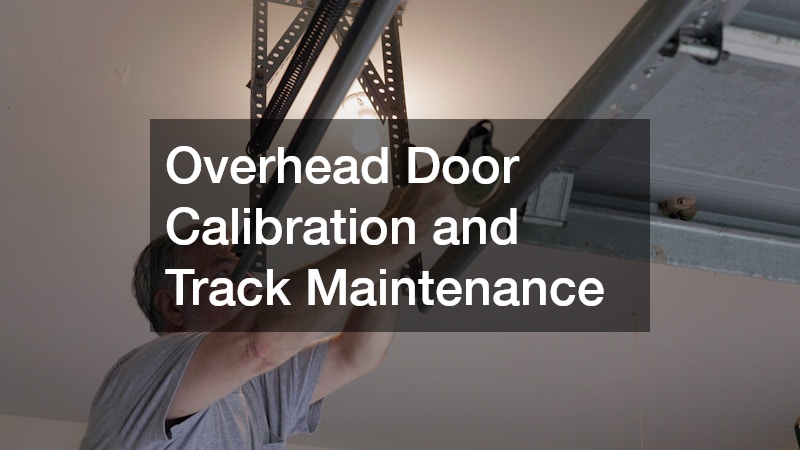
The garage door is often the largest, heaviest moving object in an entire household. When the intricate system of springs, cables, and tracks loses its alignment, the strain is transferred directly to the electric opener motor, causing it to burn out prematurely.
- Lubricate Moving Assemblies: Every six months, spray all hinges, rollers, and metal springs with a high-quality silicone or white lithium grease. Avoid using heavy oils or WD-40, which attract abrasive dirt and dust.
- Test the Balance: Disconnect the automatic opener by pulling the red emergency release cord while the door is closed. Lift the door halfway up manually; it should stay in place. If it crashes down or shoots upward, the spring tension is dangerously out of balance.
- Inspect the Safety Eye Sensors: Ensure the infrared safety sensors located at the base of the tracks are properly aligned and clean of cobwebs and dust.
Attempting garage door repair by adjusting or replacing high-tension springs without specialized tools and training can result in severe personal injury or property damage. Scheduling a professional technician to re-tension springs, replace frayed cables, and realign tracks ensures safe, smooth operation, extends your automatic opener’s lifespan, and prevents mechanical failures from trapping your vehicle during an emergency.
Maximizing home savings requires shifting from emergency repairs to planned maintenance. Investing in flushing a water heater, sealing a duct, checking insulation, or servicing an HVAC unit lowers utility bills and prevents disasters. By managing your property’s care and partnering with professionals for technical tasks, you transform your home from a financial stress source to a value-preserving asset. Choose a few tasks from this guide to address this weekend, knowing your proactive efforts are protecting your finances.