
A home is constantly exposed to conditions that can cause gradual deterioration. Rain, wind, temperature changes, humidity, and ordinary wear can affect everything from the uppermost exterior surfaces to the foundation. Many expensive problems begin as minor defects that are easy to overlook, such as a small leak, deteriorated sealant, or poorly directed runoff.
Preventive improvements give homeowners an opportunity to address these weaknesses before they affect other parts of the property. The most effective approach considers the house as an interconnected system. Water entering through one exterior component, for example, can eventually damage structural materials, interior finishes, and areas designed to regulate indoor temperature.
A long-term plan does not require replacing every aging component immediately. Instead, homeowners can inspect the property regularly, identify the most serious risks, and prioritize improvements according to urgency. Paying particular attention to water management, exterior deterioration, and temperature and moisture control can help preserve the structure while making major expenses more predictable.
Inspect the Roof Regularly and Address Damage Early
The upper surface of a house is one of its primary defenses against water, yet many homeowners do not examine its condition until a leak appears indoors. Regular visual checks can reveal developing problems sooner. From a safe location on the ground, look for missing, cracked, curling, or displaced shingles, damaged flashing, sagging areas, and debris accumulation. After strong storms, another quick inspection can help identify changes.
Interior warning signs matter as well. Water stains on ceilings, damp attic materials, peeling paint, or unexplained discoloration near exterior walls may indicate that moisture is entering somewhere above. The visible stain is not necessarily directly below the source because water can travel along framing before appearing inside.
Localized roofing repair may be appropriate when damage is limited and the surrounding system remains in serviceable condition. Replacing a few storm-damaged shingles or correcting a flashing problem, for instance, can be very different from repeatedly patching a widely deteriorated surface.
Homeowners should avoid climbing onto steep, wet, or damaged surfaces to investigate. Professional roofers have equipment and experience for examining areas that may be difficult or unsafe to access. A professional inspection can also evaluate flashing, penetrations, valleys, vents, and other details that are difficult to assess from the ground.
Keep dated photographs and maintenance records. Comparing them over several years can reveal gradual deterioration that might otherwise go unnoticed.
Plan Replacement Before an Aging Roof Fails
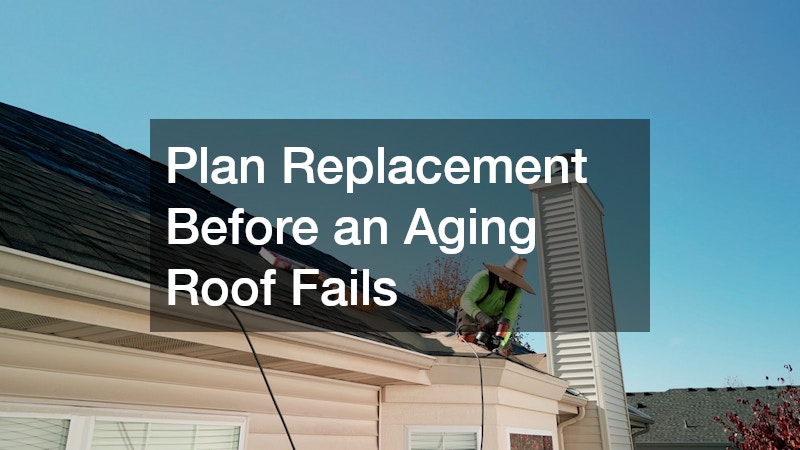
Even a well-maintained system eventually reaches a point when continued repairs become less practical. Age alone does not determine when replacement is necessary, but it provides useful context when considered alongside recurring leaks, widespread deterioration, damaged decking, and an increasing need for repairs.
Review previous maintenance records before making a decision. If problems are occurring in unrelated areas or repairs are becoming increasingly frequent, paying repeatedly for isolated work may no longer make financial sense. Planning ahead gives homeowners time to research materials, obtain estimates, and prepare financially rather than making decisions during an emergency.
When comparing a roof replacement service, ask for a detailed scope of work. It should clarify whether old materials will be removed, how damaged decking will be handled, which underlayment and flashing components will be used, how ventilation will be addressed, and what cleanup and disposal are included. Homeowners should also understand workmanship and manufacturer warranty terms.
Proper roof installation involves far more than attaching the visible surface material. Decking must provide a suitable foundation, underlayment helps manage water, flashing protects vulnerable transitions, and ventilation influences attic heat and moisture. Installation should also follow applicable building requirements and manufacturer instructions.
Planning replacement before widespread failure can prevent homeowners from having to select materials and contractors under pressure. It also provides an opportunity to coordinate other exterior projects that may share flashing, fascia, gutters, or related components.
Improve Attic Protection to Control Heat and Moisture
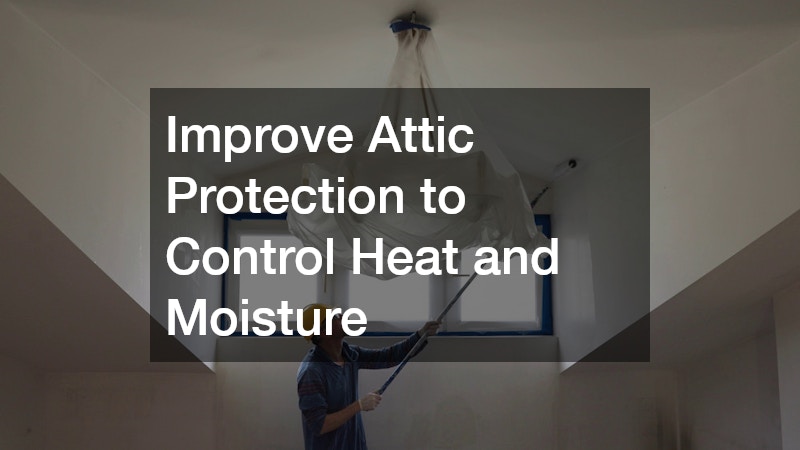
The attic can reveal problems that are not obvious from the living space. Uneven temperatures, drafts, unexpectedly high heating or cooling demands, condensation, and visible gaps in thermal material can indicate that the space deserves closer examination.
Insulation works most effectively when considered alongside air sealing and ventilation. Simply adding more material does not necessarily correct uncontrolled air leakage or a moisture source. Gaps around penetrations, attic hatches, plumbing, wiring, and other openings can allow conditioned indoor air to move into spaces where it is not intended to go.
Professional insulation services can help determine what material is currently present, whether coverage is uneven, and which areas may require improvement. An assessment should also consider whether there are signs of moisture, because covering a damp or leaking area with additional material can conceal rather than solve the underlying problem.
When choosing an insulation contractor, ask how the recommended approach addresses air leakage, ventilation, existing materials, and moisture. Homeowners should also ask why a particular product or installation method is suitable for the building rather than focusing only on how much material will be added.
Any active roof leak, plumbing problem, or condensation issue should be investigated first. Thermal improvements are most useful when the surrounding structure is dry and the causes of existing moisture have been corrected.
Control Water Around the Roof and Foundation
A roof can shed a substantial amount of water during a storm. That water needs a controlled path away from exterior walls and the foundation. Clogged, damaged, or poorly positioned drainage components can instead allow runoff to overflow near siding, collect around the house, or contribute to soil erosion.
Check gutters for leaves, standing water, loose fasteners, leaking seams, and sections that appear to sag. Downspouts should discharge where water can continue moving away from the structure rather than pooling beside the foundation. Landscaping and soil grading should support the same objective.
A gutter installer can evaluate whether existing components are appropriately sized and sloped and whether downspout locations adequately manage runoff. Problems sometimes stem from design or positioning rather than a simple clog, particularly when the same section repeatedly overflows during ordinary rainfall.
Gutter guard installations can reduce the amount of leaves and larger debris entering the system. They do not necessarily eliminate maintenance, however. Smaller debris can still accumulate, and outlets and downspouts should remain part of routine inspections.
Look at the entire drainage path during or shortly after rainfall when possible. Water overflowing behind a gutter, washing out landscaping, or collecting near the house provides useful evidence of where improvements may be needed. Effective water management protects more than the drainage system itself; it supports the exterior walls, landscaping, and foundation.
Stop Moisture Problems Before They Spread Indoors
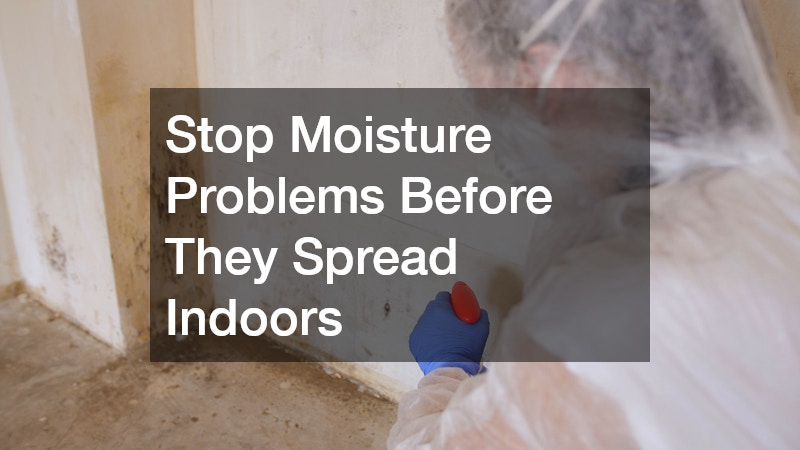
Unwanted moisture can originate from roof leaks, plumbing failures, condensation, poor drainage, or elevated indoor humidity. Whatever the source, prompt action is important because damp building materials can deteriorate and create conditions favorable to microbial growth.
Possible warning signs include persistent musty odors, staining, peeling finishes, damp surfaces, and visible growth. The first objective should be finding and correcting the moisture source. Cleaning a discolored surface without addressing the leak or humidity problem may allow the condition to return.
Professional mold remediation may be appropriate when affected areas are extensive, repeatedly return, involve difficult-to-access building cavities, or present other complications. The appropriate response depends on the source, affected materials, and extent of contamination.
Moisture can also affect thermal materials. Wet insulation may perform poorly and can hold moisture against adjacent components. After the source has been corrected and affected areas have been properly addressed, insulation services may be needed to replace damaged material and restore appropriate coverage.
Homeowners should resist the temptation to cover stains or damaged surfaces before determining why they developed. Paint, new drywall, or additional thermal material can temporarily hide evidence without resolving the cause. A lasting repair addresses both the visible damage and the condition responsible for it.
Strengthen Exterior Walls Against Weather Exposure
Exterior walls deserve the same routine attention as the upper portions of a home. Walk around the property periodically and look for loose panels, cracks, warping, rot, gaps around penetrations, damaged trim, deteriorated sealant, and staining beneath windows or roof intersections.
These defects can provide pathways for moisture to reach sheathing and wall cavities. Damage may remain concealed for some time, so correcting exterior weaknesses early is preferable to waiting for interior symptoms.
Quality siding installations involve more than attaching panels or boards. Weather-resistant barriers, flashing, transitions around windows and doors, clearances, and manufacturer requirements all influence how effectively the wall manages water. Homeowners considering replacement should ask how these less-visible details will be handled.
Roof-to-wall intersections deserve particular attention because multiple exterior systems meet there. Flashing must direct water outward without creating openings behind adjacent materials. When work involves these transitions, roofers may need to coordinate with the professionals responsible for the wall system.
Also inspect vents, utility penetrations, hose connections, exterior lighting, and other openings. Sealants deteriorate over time and should be renewed when necessary with materials suitable for the application. Maintaining these smaller details can help prevent moisture from reaching areas where damage would be difficult to detect.
Coordinate Major Projects Instead of Treating Them Separately

Major exterior improvements can overlap in ways homeowners may not initially expect. Replacing one component and then disturbing it during another project a year later can increase costs and create unnecessary complications.
For example, roof installation can affect flashing, fascia, soffits, gutters, and transitions to exterior walls. If several of these components are approaching the end of their useful lives, coordinating their schedules may reduce duplicated labor and help contractors establish cleaner transitions.
The same principle applies to siding installations. Before beginning, consider whether windows, doors, exterior trim, or nearby roofing components will soon be replaced. Completing projects in a logical sequence can reduce the risk that recently installed materials need to be removed or altered.
A multi-year improvement plan can make coordination easier. Rank projects according to active water intrusion, safety concerns, structural risks, component condition, and available budget. Immediate problems should come first, followed by preventive improvements and then cosmetic upgrades.
When several companies are involved, obtain detailed scopes explaining where each contractor’s responsibility begins and ends. Transitions between systems are especially important. Clearly establishing responsibility for flashing, sealing, removal, and reinstallation can help prevent critical details from being overlooked.
Build a Preventive Maintenance Schedule for Every Season
A written maintenance schedule turns property protection into a routine rather than a response to emergencies. Spring and fall are useful times to walk around the property and inspect exterior surfaces, drainage, windows, foundations, attic conditions, and areas where different materials meet.
Additional checks are worthwhile after severe wind, hail, heavy rain, falling branches, or other events that may cause damage. Photograph unusual conditions and keep receipts, warranties, inspection reports, and repair records together. Over time, this history can reveal patterns that are difficult to recognize from memory.
Repeated repairs to an aging system may eventually indicate that budgeting for a roof replacement service is more practical than continuing isolated fixes. Tracking the location and cost of each repair makes that decision easier to evaluate objectively.
Likewise, recurring dampness or visible growth after cleanup suggests that the underlying moisture source requires further investigation. Depending on the extent and circumstances, professional mold remediation may be appropriate rather than repeatedly treating only the visible area.
Homeowners should also maintain a reserve for predictable repairs. Major building components have limited service lives, even when maintained properly. Saving gradually can make eventual replacement easier to manage and reduce the financial pressure associated with urgent failures.
Make Prevention a Long-Term Homeownership Habit
Protecting a property does not require constant renovation. It requires paying attention to the components that keep water out, manage moisture, regulate indoor conditions, and protect the structure from exposure. Regular inspections make it easier to catch small changes before they become expensive failures.
Prioritize problems according to their potential consequences. Active leaks, unsafe conditions, structural concerns, and uncontrolled moisture generally deserve attention before cosmetic improvements. Once immediate risks are addressed, homeowners can plan upgrades that improve durability and reduce the likelihood of future damage.
Good records make that process easier. Photographs, warranties, invoices, inspection reports, and maintenance notes provide a history of the property and help identify recurring concerns. They also make budgeting for future work more predictable.
Most importantly, think of the home as a connected system. The upper exterior, walls, drainage, thermal envelope, and foundation all influence one another. Maintaining those relationships through thoughtful improvements and consistent preventive care can help preserve the home’s comfort, function, and value for years to come.