Your home’s exterior takes a beating every single day from sun, rain, wind, and temperature swings, yet many homeowners only think about it after something breaks. Small issues like a hairline roof crack, a sticking garage door, or a fading paint job can quietly snowball into expensive repairs if left unchecked. The good news is that a little knowledge and the right professional support can help you catch problems early and protect your investment for decades. This guide walks through the key exterior systems that deserve regular attention and explains why professional maintenance matters more than most people realize.
Understanding Your Roof’s Real Lifespan

Your roof is your home’s first line of defense, and its condition affects everything from energy bills to structural integrity. Most asphalt shingle roofs last 20 to 25 years, but that number drops significantly without regular inspections and minor repairs along the way. A reputable roofing company can spot early warning signs like curling shingles, granule loss, or soft spots long before they turn into leaks. Waiting until water stains appear on your ceiling usually means the damage has already spread into the attic and insulation.
Metal roofing has become increasingly popular for homeowners who want durability and energy efficiency, but it requires specialized knowledge to install and maintain correctly. A skilled metal roofer understands how thermal expansion, fastener corrosion, and seam sealing differ from traditional shingle work. Choosing someone with this specific expertise helps avoid premature failures that generic roofing crews might miss.
- Schedule a roof inspection at least once a year, ideally in spring or fall
- Watch for missing, cracked, or curling shingles after major storms
- Check attic spaces for signs of moisture or daylight coming through the roof deck
- Keep an eye on flashing around chimneys and vents, a common leak source
Why Window Efficiency Impacts More Than Comfort
Windows do more than let in light; they play a major role in regulating indoor temperature and protecting furniture and flooring from UV damage. Older or poorly sealed windows can drive up cooling costs significantly during hot months, especially in south and west-facing rooms. Many homeowners are surprised to learn that upgrading window film can reduce heat gain without the expense of full window replacement.
This is where commercial window tinting companies have expanded their offerings to include residential properties, applying films that block harmful UV rays while maintaining natural light. These films can also reduce glare on televisions and screens, add a layer of shatter resistance, and improve overall privacy. Homeowners considering this option should ask about warranty coverage and whether the film is rated for their specific climate.
- Look for films with high UV rejection percentages for skin and furniture protection
- Ask about warranty terms covering bubbling, peeling, or discoloration
- Consider tint darkness rules if your neighborhood has an HOA
- Factor in potential energy savings when comparing tinting to full window replacement
Keeping Your Garage Door Safe and Functional
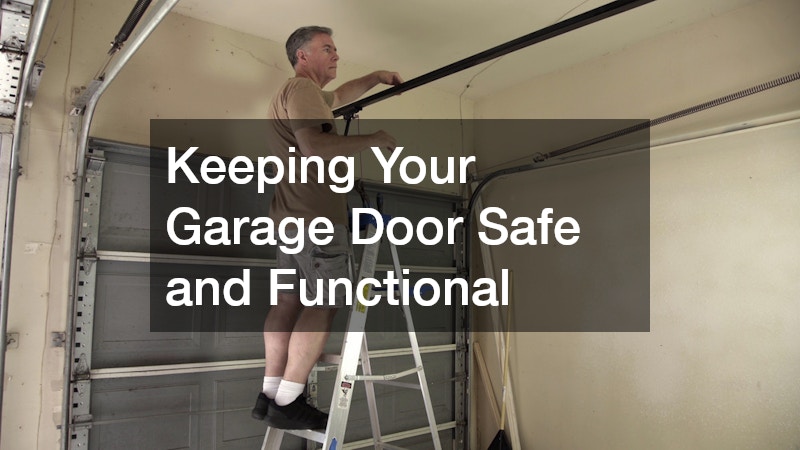
The garage door is one of the largest moving parts of your home, and it gets used far more often than most people realize. Springs, cables, and rollers wear down over time, and a malfunctioning door can become a safety hazard for anyone nearby. Routine lubrication and tension checks go a long way toward preventing sudden failures that leave you stuck with a door that won’t open or close properly.
Working with experienced garage door service companies ensures that adjustments and part replacements are done safely, since torsion springs in particular carry serious injury risk when handled without proper tools. These professionals can also recommend upgrades like insulated panels or quieter belt-drive openers that improve both comfort and curb appeal. Regular servicing typically costs far less than an emergency repair after a spring snaps or a panel gets damaged.
- Test the auto-reverse safety feature every few months
- Listen for grinding, scraping, or unusual noises during operation
- Inspect weatherstripping along the bottom of the door for gaps
- Have springs and cables checked annually by a trained technician
Protecting Your Foundation From Water Damage
Water is one of the most destructive forces a home can face, and foundation problems often start small before becoming major structural concerns. Poor drainage around the perimeter of a house can lead to cracks, basement flooding, and even mold growth inside wall cavities. Grading the soil away from the foundation and maintaining proper drainage paths are simple steps that prevent a lot of future headaches.
For homes with recurring moisture issues, professional waterproofing companies offer solutions ranging from exterior sealants to interior drainage systems and sump pump installation. These specialists can assess whether the problem stems from surface water, groundwater pressure, or plumbing leaks, since each requires a different repair approach. Addressing foundation moisture early is almost always cheaper than repairing structural damage after years of unnoticed seepage.
- Check for efflorescence, a white chalky residue that signals water infiltration
- Ensure downspouts direct water at least five feet away from the foundation
- Look for hairline cracks in basement walls that could widen over time
- Test sump pumps before rainy seasons to confirm they’re working properly
Handling Small Repairs Before They Become Big Problems

Not every exterior issue requires a specialized contractor, and many small maintenance tasks fall into a gray area homeowners often ignore. Loose siding, a wobbly deck railing, or a cracked exterior outlet cover might seem minor, but they can invite pests, moisture, or safety hazards if left unaddressed. Staying on top of these small jobs keeps larger systems, like siding and framing, in better condition over the long run.
A reliable handyman service can be a smart resource for tackling this steady stream of smaller exterior tasks without needing to hire multiple specialized trades. These professionals typically handle caulking gaps, replacing damaged trim, fixing fence posts, and other odd jobs that add up over a season. Bundling several small repairs into one visit is often more cost-effective than scheduling separate specialists for each individual task.
- Recaulk windows and doors when you notice gaps or cracking
- Replace damaged trim promptly to prevent water intrusion
- Fix loose steps, railings, or fence boards before they worsen
- Keep a running list of small repairs to address in a single service visit
Refreshing Your Home’s Exterior Paint and Siding
A quality paint job does more than boost curb appeal; it acts as a protective barrier against moisture, UV rays, and pest infiltration. Paint that’s peeling, cracking, or fading has likely lost much of its protective seal, exposing siding and trim underneath to the elements. Most exterior paint jobs last between seven and ten years depending on climate, sun exposure, and the quality of materials used.
Hiring experienced painting contractors ensures proper surface preparation, which is often the difference between a paint job that lasts a decade and one that fails within a couple of years. Professionals know how to identify and treat rot, mildew, or old lead paint issues before applying new coats, something that’s easy for an untrained eye to miss. Investing in quality prep work and materials upfront saves money by extending the time between repaint cycles.
- Inspect siding for peeling, bubbling, or chalky residue on paint
- Choose paint formulated for your specific climate and sun exposure
- Address wood rot or mildew before repainting, not after
- Ask contractors about warranty coverage on labor and materials
Improving Airflow and Outdoor Living Spaces

Good ventilation and comfortable outdoor spaces make a home more enjoyable while also helping manage humidity and indoor air quality. Homeowners increasingly want ways to open windows and doors without inviting insects or debris inside, especially during pleasant spring and fall weather. Balancing airflow with protection from pests and weather requires some smart product choices.
This is where retractable screens have grown in popularity, offering a way to enjoy open doorways and patios without permanent mesh panels cluttering the view. These screens tuck away neatly when not in use, making them a popular choice for homeowners who want flexibility for entertaining or seasonal use. They also work well on garage openings, giving homeowners airflow options without exposing the space to insects or debris.
- Consider retractable options for patio doors, garage entries, or large windows
- Look for durable mesh that resists tearing from pets or heavy use
- Check the smoothness of the retracting mechanism before purchasing
- Factor in local climate when choosing screen material and frame finish
Adding Covered Parking and Outdoor Structures
Covered parking structures protect vehicles from sun damage, hail, and falling debris while also adding functional value to a property. Many homeowners overlook how much UV exposure can fade paint, crack dashboards, and degrade tires over time, especially in regions with intense sun. A well-built structure can extend the life of a vehicle significantly compared to leaving it exposed year-round.
Working with experienced carport builders ensures the structure is properly anchored, meets local building codes, and complements the home’s existing architecture. These professionals can advise on materials, from steel frames to polycarbonate panels, that balance durability with cost. A properly built carport can also serve double duty as covered storage or an outdoor workspace during inclement weather.
- Confirm local permit requirements before construction begins
- Choose materials rated for your region’s wind and snow loads
- Consider attached versus freestanding designs based on available space
- Ask about maintenance needs for the roofing material used on the structure
Maintaining Gutters to Prevent Water Damage
Gutters play a critical role in directing rainwater away from the roof, siding, and foundation, yet they’re often forgotten until they overflow. Clogged gutters can cause water to back up under roofing materials, leading to rot, mold, and even ice dams in colder climates. A single overflowing gutter during a heavy storm can dump hundreds of gallons of water directly against a foundation wall, accelerating cracks and basement leaks.
Regular cleaning, ideally twice a year—once in late spring and again in fall after leaves drop—prevents most of the common problems associated with poor drainage. Homeowners with nearby trees may need quarterly checks, since pine needles and leaves compact quickly and clog downspouts. It’s also worth inspecting hangers, seams, and end caps for rust or separation, since even clean gutters can fail if they’re pulling away from the fascia. Installing gutter guards can reduce debris buildup, but they still require occasional inspection to remain effective.
Professional gutter companies can also install guards or covers that significantly reduce debris buildup, cutting down on how often manual cleaning is needed. Options range from mesh screens and foam inserts to reverse-curve covers, each suited to different roof types and price points, typically running anywhere from a few dollars to over twenty per linear foot installed. These systems still require occasional inspection, since heavy pollen, pine needles, or shingle grit can accumulate even with guards installed, so most professionals recommend a check-up once or twice a year rather than assuming the system is entirely maintenance-free.
Neglecting this upkeep carries real financial risk. Clogged or poorly functioning gutters can lead to water pooling against the foundation, cracked concrete, rotted fascia boards, and even basement flooding after a heavy storm. In colder climates, standing water in gutters can also freeze and form ice dams that damage roofing and force water beneath shingles.
Investing in a well-maintained gutter system protects the rest of the home’s exterior from water-related damage that’s often far more expensive to repair. A routine gutter service call may cost a fraction of what it takes to fix foundation cracks or replace water-damaged siding, making preventive maintenance one of the more cost-effective home improvement decisions a homeowner can make.
- Clean gutters at least twice a year—spring and fall—and increase to quarterly if you have overhanging oaks, pines, or maples that shed heavily
- Check for sagging sections, separated joints, or pulled-away hangers after major storms, since even a small gap can let water pour behind the fascia
- Look for telltale signs of trouble: peeling paint, watermarks, or mildew streaks on siding beneath the gutter line
- Install gutter guards, such as mesh or reverse-curve styles, to cut debris buildup and reduce manual cleaning to once a year in most cases
- Ensure downspouts remain clear and use a garden hose test to confirm water flows freely through each one
- Extend downspouts at least 4-6 feet from the foundation, or connect them to underground drain lines, to prevent basement seepage and soil erosion
Protecting your home’s exterior doesn’t require becoming an expert in every trade, but it does mean staying observant and addressing small issues before they grow into costly repairs. From the roof down to the gutters, each system plays a role in keeping your property safe, efficient, and visually appealing. Start by walking around your home this weekend and noting any areas that need attention, then reach out to trusted professionals for the tasks beyond your comfort level. A proactive approach today can save you significant time, money, and stress down the road.