
Modern homeowners rely on their plumbing systems every single day, yet it’s often one of the most overlooked parts of home maintenance—until something goes wrong. A small leak, a slow drain, or inconsistent water pressure might seem minor at first, but these issues can quickly escalate into expensive and disruptive problems if left unaddressed.
Preventive plumbing care is all about staying ahead of these issues. With the right strategies, you can extend the lifespan of your system, reduce repair costs, and maintain a safe and comfortable home environment. This guide breaks down practical, easy-to-follow steps you can take to keep your plumbing system running efficiently year-round.
Start with a Whole-Home Plumbing Checkup
A proactive approach to plumbing begins with understanding the current condition of your entire system. Many issues develop slowly over time, often hidden behind walls or under floors, where they go unnoticed. That’s why scheduling a routine plumbing inspection is one of the most effective ways to catch small problems early. Experienced plumbers can identify early warning signs such as corrosion, small leaks, or pressure inconsistencies that homeowners might overlook. By addressing these issues early, you can prevent them from turning into costly repairs or major system failures.
What to include in a routine checkup:
- Inspect visible pipes for leaks, rust, or moisture buildup
- Check under sinks for signs of mold or water damage
- Test water pressure throughout the home
- Look for slow drains or unusual odors
Why professional help matters:
- They use specialized tools to detect hidden leaks
- They can evaluate the overall system health
- They provide recommendations for preventative fixes
How often to schedule:
- Once per year for most homes
- Twice per year for older properties or high-usage households
Staying consistent with routine evaluations builds a strong foundation for long-term plumbing health. It also allows you to track changes in your system over time and make informed decisions about repairs or upgrades. Homeowners who prioritize regular checkups tend to experience fewer emergencies and lower maintenance costs.
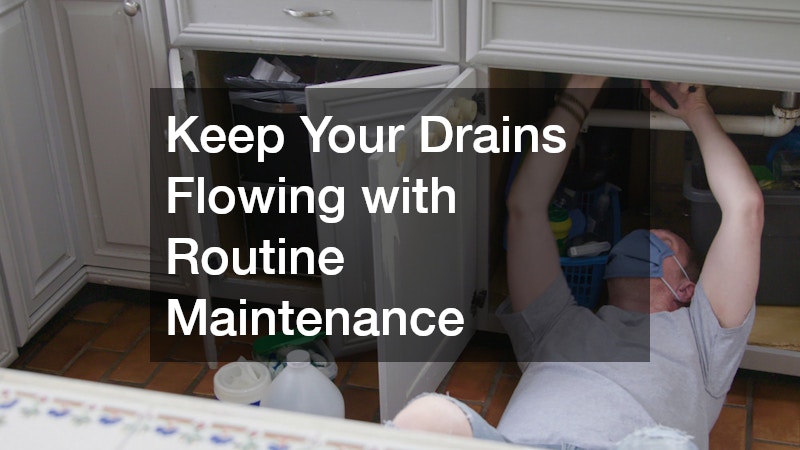
Keep Your Drains Flowing with Routine Maintenance
Drain issues are one of the most common plumbing problems homeowners face, yet they are often entirely preventable with the right habits. Over time, everyday materials like grease, soap residue, hair, and food particles accumulate inside pipes and restrict water flow. These blockages don’t happen overnight—they build gradually, which means there are plenty of opportunities to intervene early. By adopting simple maintenance routines, you can significantly reduce the chances of clogs forming in the first place. Paying attention to how your drains behave can also alert you to early warning signs before a complete blockage occurs.
Simple preventative habits:
- Avoid pouring grease or oil down the kitchen sink
- Use drain strainers to catch debris
- Run hot water after each use to flush pipes
- Clean stoppers and strainers weekly
DIY maintenance tips:
- Use a mixture of baking soda and vinegar monthly
- Flush drains with boiling water to break up the buildup
- Remove visible debris manually when possible
When to call in professionals:
- Persistent slow drainage
- Frequent clogs in the same fixture
- Gurgling sounds or foul odors
Even with consistent at-home care, buildup can still occur deep within your plumbing system. This is where a professional drain cleaning service becomes valuable, as it can remove stubborn debris that DIY methods cannot reach. Regular maintenance combined with occasional professional cleaning helps ensure your pipes remain clear and efficient.
Prevent Sewer Line Issues Before They Start
Your sewer line plays a critical role in removing waste from your home, yet it often goes unnoticed until a serious problem arises. Because it is buried underground, issues can develop without visible signs until they become severe. Tree roots, grease buildup, and foreign objects are among the most common causes of sewer line damage. These problems can lead to blockages, leaks, or even complete line failure if not addressed promptly. Understanding how your sewer system works is key to preventing these issues from escalating.
Warning signs to watch for:
- Multiple drains are clogging at once
- Sewage odors inside or outside the home
- Water backing up into tubs or sinks
- Unusually lush patches of grass in your yard
Preventative strategies:
- Avoid flushing anything other than toilet paper
- Dispose of grease in the trash instead of the sink
- Install root barriers if trees are nearby
- Schedule periodic maintenance
Routine sewer line cleaning helps eliminate buildup and prevent blockages before they cause damage. Taking preventative action can save homeowners from costly repairs and disruptive excavation work. By staying vigilant and addressing small issues early, you can maintain a reliable and efficient sewer system. Consistent care also reduces the likelihood of unpleasant surprises, such as backups or foul odors in your home.
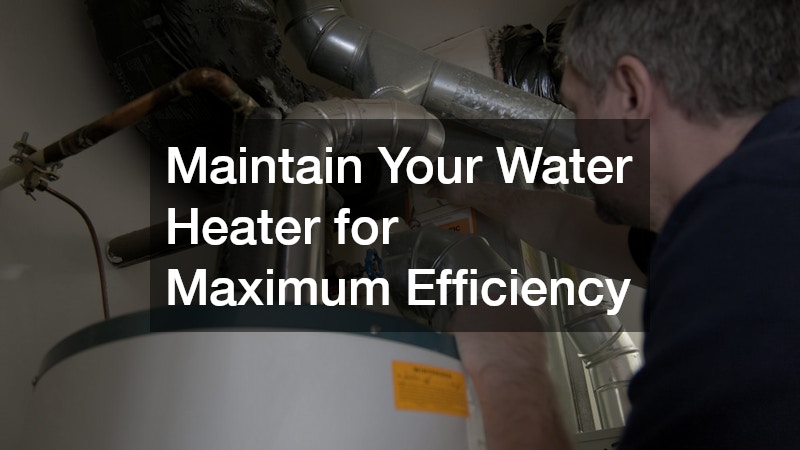
Maintain Your Water Heater for Maximum Efficiency
Your water heater is one of the hardest-working appliances in your home, providing hot water for daily tasks like bathing, cooking, and cleaning. Despite its importance, it often receives little attention until something goes wrong. Over time, sediment can accumulate inside the tank, reducing efficiency and increasing energy consumption. This buildup can also cause wear and tear on internal components, leading to premature failure. Regular maintenance ensures your system operates efficiently and lasts as long as possible.
Maintenance tips:
- Flush the tank annually to remove sediment
- Check the temperature setting (120°F is ideal)
- Inspect for leaks or corrosion around the unit
- Test the pressure relief valve periodically
Signs of trouble:
- Inconsistent water temperature
- Strange noises (popping or rumbling)
- Discolored or rusty water
- Reduced hot water supply
When these issues appear, contacting a water heater repair service early can prevent further damage. Addressing problems promptly helps maintain efficiency and avoids the inconvenience of losing hot water entirely. With proper care and timely repairs, your water heater can provide reliable performance for many years. Regular attention also ensures your system runs safely, reducing the risk of leaks or pressure-related issues.
Upgrade and Maintain Tankless Water Systems
Tankless systems have become a popular choice for homeowners seeking energy efficiency and convenience. Unlike traditional units, they heat water on demand, eliminating the need for a storage tank. This design not only saves space but also reduces energy consumption, making it an attractive option for modern households. However, like any system, they require regular maintenance to perform at their best.
Benefits of tankless systems:
- Endless hot water supply
- Lower energy consumption
- Compact design
Maintenance essentials:
- Descale the system annually to remove mineral buildup
- Clean or replace inlet filters
- Inspect for error codes or performance changes
Preventative tips:
- Install a water softener in hard water areas
- Follow manufacturer maintenance guidelines
- Schedule professional servicing as needed
A well-maintained tankless water heater can provide consistent performance and long-term savings. Regular upkeep ensures the system remains efficient and reliable throughout its lifespan. Homeowners who invest in proper maintenance often experience fewer issues and better overall performance. By staying proactive, you can maximize the benefits of this modern plumbing upgrade.
Stay Ahead of Septic System Problems
Septic systems require careful attention to function properly, especially since they operate independently from municipal sewer systems. Over time, solid waste accumulates in the tank and must be removed to prevent overflow or system failure. Without regular maintenance, the system can become overloaded, leading to unpleasant odors and potential health hazards. Understanding how your septic system works is essential for keeping it in good condition.
Key maintenance practices:
- Schedule septic pumping services every 3–5 years
- Monitor water usage to avoid overloading the system
- Keep heavy vehicles off the drain field
What not to put into your system:
- Grease or oils
- Non-biodegradable products
- Harsh chemicals
Warning signs of issues:
- Slow drains throughout the home
- Sewage odors near the tank or yard
- Pooling water above the drain field
Regular septic tank pumping service is essential for maintaining system functionality and preventing breakdowns. Staying on top of maintenance helps protect both your property and the environment. By following best practices and scheduling routine care, you can ensure your system operates efficiently for years.
Know When to Call a Professional
While many plumbing tasks can be handled with basic tools and knowledge, there are situations where professional expertise is essential. Attempting to fix complex issues without proper training can often make the problem worse. Understanding your limits as a homeowner is key to avoiding unnecessary damage and expense. Knowing when to bring in experienced plumbers can save both time and money in the long run. Professional intervention ensures that problems are addressed correctly and safely the first time.
Situations that require professional help:
- Burst or leaking pipes
- Major clogs or backups
- Low water pressure throughout the home
- Installation of new fixtures or appliances
How to choose the right professional:
- Verify licensing and insurance
- Read reviews and ask for referrals
- Request detailed estimates
- Look for experience with your specific issue
Working with qualified plumbers and reliable plumber services gives you access to expert knowledge and dependable solutions. Building a relationship with a trusted professional also makes it easier to handle future issues quickly. Over time, having a go-to expert can simplify maintenance and provide peace of mind. It ensures that your plumbing system remains in good hands whenever challenges arise.

Budget-Friendly Plumbing Maintenance Tips
Maintaining your plumbing system doesn’t have to be expensive if you take a proactive approach. Small, consistent efforts can prevent major issues that would otherwise require costly repairs. By focusing on preventative care, homeowners can significantly reduce long-term expenses. Simple upgrades and mindful usage habits go a long way in protecting your system.
Cost-saving strategies:
- Fix minor leaks immediately to avoid water waste
- Install water-efficient fixtures
- Insulate exposed pipes to prevent freezing
- Use quality materials for DIY repairs
Planning ahead:
- Set aside a small annual maintenance budget
- Schedule routine inspections instead of waiting for emergencies
- Compare service providers for the best value
Finding an affordable plumber ensures you receive quality service without overspending. Investing in preventative care now can save you from larger expenses later. With a thoughtful approach, maintaining your plumbing system can be both effective and budget-friendly.
Create a Seasonal Plumbing Maintenance Routine
Seasonal changes can have a significant impact on your plumbing system, making it important to adjust your maintenance routine throughout the year. Temperature fluctuations, increased water usage, and environmental factors all play a role in how your system performs. By staying ahead of these changes, you can prevent common seasonal issues before they occur. A well-planned routine ensures your plumbing system remains reliable no matter the time of year. Consistency is key to avoiding unexpected problems.
Spring:
- Check for leaks caused by winter freezing
- Inspect outdoor faucets and hoses
Summer:
- Monitor irrigation systems
- Watch for increased water usage
Fall:
- Clear debris from drains
- Prepare pipes for colder weather
Winter:
- Insulate exposed pipes
- Keep indoor temperatures consistent
Including periodic drain cleaning service and sewer line cleaning in your seasonal routine helps maintain optimal performance. These tasks remove buildup and reduce the risk of blockages during high-demand periods. By staying proactive throughout the year, you can extend the life of your plumbing system. A consistent seasonal approach also provides peace of mind, knowing your home is prepared for changing conditions.
Build Long-Term Habits That Protect Your Plumbing
Developing consistent habits is one of the most effective ways to maintain a healthy plumbing system. Small actions performed regularly can prevent major issues from developing over time. By creating a routine, homeowners can stay on top of maintenance without feeling overwhelmed. These habits not only protect your system but also improve overall efficiency.
Monthly habits:
- Check for leaks under sinks
- Monitor water pressure
- Clean drains and strainers
Quarterly habits:
- Inspect appliances that use water
- Test shut-off valves
- Look for signs of corrosion
Annual habits:
- Schedule a plumbing inspection
- Service your water heater
- Review your overall system performance
Addressing issues early with the help of a water heater repair service or other professionals can prevent costly breakdowns. Staying consistent with these habits ensures your plumbing system remains in excellent condition. Over time, this proactive approach reduces the likelihood of emergencies and extends the lifespan of your system. With a little effort and attention, you can keep your home running smoothly for years to come.
Protect Your Home with Consistent Preventive Care
Taking a preventative approach to plumbing care is one of the smartest decisions a homeowner can make. By staying proactive and addressing issues early, you can avoid costly repairs and maintain a reliable system. Consistent maintenance not only protects your home but also improves efficiency and reduces stress. Over time, these efforts create a more comfortable and worry-free living environment.
The key to success is building a routine and sticking to it. Whether it’s performing regular checks, scheduling professional maintenance, or adopting better daily habits, every small step makes a difference. With the right strategies in place, you can ensure your plumbing system continues to support your home for years to come.