
Buying or maintaining a home often feels manageable when everything appears clean, functional, and quiet on the surface. The trouble is that many of the most expensive property problems begin subtly. A faint stain near a ceiling corner, a slow drain in the bathroom, or a small crack in exterior brickwork may not seem urgent at first glance. Over time, though, these seemingly minor issues can develop into structural damage, safety concerns, and repair bills that spiral far beyond what most homeowners expect.
Property inspections frequently uncover the same categories of hidden trouble. Moisture intrusion, roofing deterioration, unsafe remodeling work, and neglected exterior systems are among the most common concerns inspectors identify. In many cases, the real problem is not simply the damage itself but how long it has been ignored.
Understanding how these issues develop gives homeowners a better chance of catching problems early, protecting property value, and avoiding emergency repairs later.
Recognizing Moisture Problems Before They Spread
Watching for the Earliest Signs of Hidden Water Damage
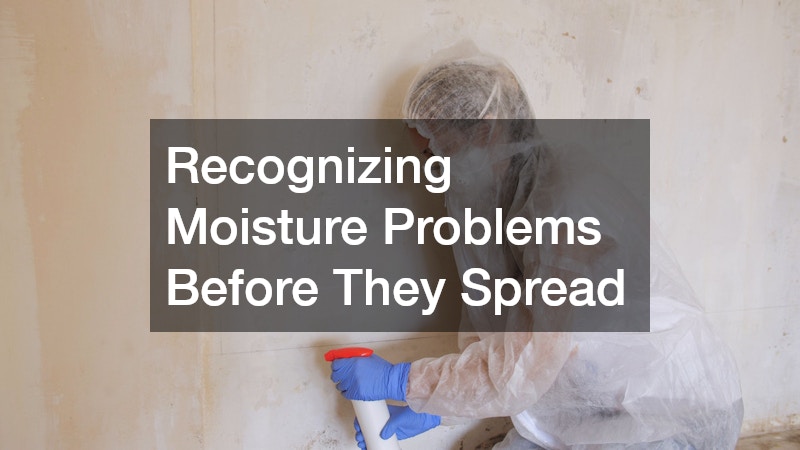
Moisture problems rarely announce themselves dramatically in the beginning. More often, they appear quietly through small cosmetic changes that homeowners dismiss for months. A slight bubble in paint, soft drywall beneath a window, or an unexplained musty odor may all point to water entering the home somewhere behind the scenes.
One of the biggest mistakes homeowners make is assuming that visible stains are the full extent of the problem. Water travels unpredictably. A leak originating near the roofline may eventually show up several feet away on an interior wall. By the time discoloration becomes visible, insulation, framing, or subflooring may already be compromised.
Inspectors often recommend paying close attention to areas that naturally trap moisture, including:
- Basement corners
- Around window frames
- Under sinks
- Near water heaters
- Attic spaces with poor ventilation
- Ceiling areas beneath bathrooms
Older homes deserve especially close monitoring because aging seals, outdated plumbing connections, and settling foundations create more opportunities for water intrusion.
When moisture is ignored too long, homeowners frequently need a professional water damage repair service to address not only the visible staining but also the hidden structural deterioration behind walls and flooring. In severe cases following storms or appliance failures, flood damage restoration may become necessary to prevent mold growth and further contamination.
Understanding How Small Leaks Become Large Structural Problems
Water damage compounds quickly because moisture affects nearly every building material differently. Drywall softens, wood swells, insulation loses effectiveness, and metal components begin corroding. A homeowner may initially believe they are dealing with a simple cosmetic issue, only to discover rotting framing several months later.
One homeowner might notice a small drip under a refrigerator water line and postpone repairs because the leak seems manageable. Six months later, warped flooring and mold beneath the cabinets require extensive demolition. Situations like this are common because water damage rarely stays isolated.
The key lesson is simple: moisture problems never improve on their own. They only expand into larger repair categories over time.
Addressing Plumbing Failures Before They Escalate
Understanding the Warning Signs Inside the Home
Plumbing systems often deteriorate gradually, making it easy for homeowners to normalize small inconveniences. Slow drains become routine. Minor pipe rattling gets ignored. Water pressure drops slightly each year until nobody remembers what normal felt like.
During inspections, however, these subtle signs frequently point to larger underlying issues.
Some warning signals deserve immediate attention:
- Water stains beneath sinks
- Sudden spikes in utility bills
- Recurring drain backups
- Persistent sewer odors
- Rust-colored water
- Moisture around toilet bases
A qualified plumbing company can often identify developing problems before pipes burst or sewer systems fail completely. Preventive inspections become especially important in older homes where galvanized piping, aging supply lines, or tree root intrusion may already be compromising the system.
Many homeowners focus only on fixtures they can see while overlooking what happens underground. Septic systems, for example, frequently fail long before obvious symptoms appear indoors.
Preventing Long-Term Damage to Underground Systems
Septic problems are among the most expensive inspection discoveries because homeowners often fail to recognize the early warning signs. Slow drainage throughout the house, standing water in the yard, or unusually lush patches of grass near drain fields may indicate system failure developing underground.
Ignoring these clues can eventually require extensive septic repair involving excavation, damaged field lines, and contaminated soil remediation.
Homeowners sometimes assume pumping the tank alone solves every issue, but inspectors often find larger concerns involving crushed lines, invasive roots, or saturated drain fields. Regular inspections and mindful water usage dramatically reduce the likelihood of catastrophic system failure.
Simple habits also matter more than many people realize. Excessive grease disposal, flushing wipes, and overloading washing machines can strain septic systems for years before failure becomes obvious.
Responding to Roof and Ceiling Problems Quickly
Identifying Exterior Damage Before Interior Leaks Appear
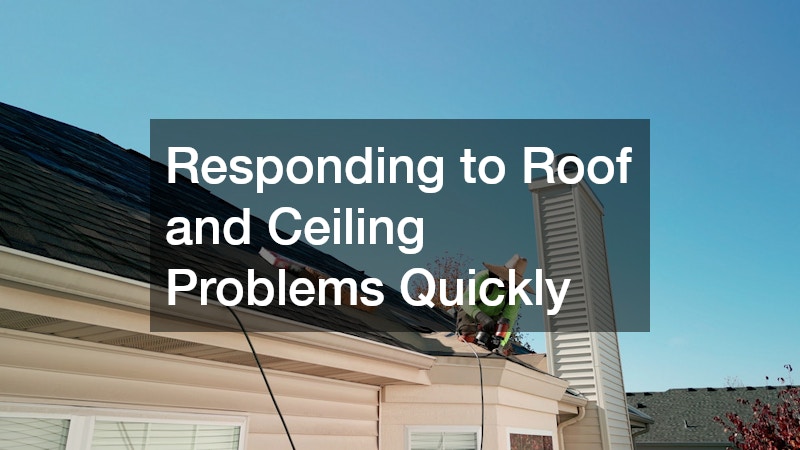
Roof problems often remain hidden until homeowners notice interior damage. By then, moisture may already be affecting insulation, attic framing, and ceiling materials.
Experienced inspectors usually begin by examining exterior warning signs that homeowners overlook entirely. Missing shingles are obvious, but subtler issues matter just as much. Flashing gaps near chimneys, uneven rooflines, deteriorating sealant, and clogged gutters all contribute to water intrusion over time.
A skilled roofer understands that roof damage is rarely isolated to one visible spot. Wind, temperature fluctuations, and poor drainage create stress across multiple roofing components simultaneously.
One challenge for homeowners is that roofing systems naturally age slowly, making deterioration feel less urgent. A roof may continue functioning “well enough” for years while quietly allowing moisture into attic spaces after every major storm.
Seasonal inspections help reduce this risk significantly, particularly after hurricanes, hailstorms, or heavy snowfall.
Investigating Ceiling Stains and Ventilation Problems
Ceiling stains often tell a much larger story than homeowners initially expect. What appears to be a small cosmetic blemish may actually indicate widespread moisture accumulation in the attic.
Ventilation problems make roofing damage worse because trapped heat and humidity accelerate material deterioration from the inside out. Poor airflow can shorten shingle lifespan, encourage mold growth, and increase condensation around skylights.
In many homes, neglected skylight repair becomes a major source of recurring leaks. Even properly installed skylights eventually develop seal failures or flashing deterioration as roofing materials age.
Homeowners should never assume repainting a stained ceiling solves the underlying issue. Without identifying the actual source of the moisture, the damage almost always returns.
Preventing Chimney Problems From Becoming Safety Hazards
Examining Exterior Masonry Before Cracks Worsen
Chimneys endure constant exposure to rain, freezing temperatures, heat expansion, and shifting structural pressure. Over time, even well-built masonry begins deteriorating.
The problem is that chimney damage progresses slowly enough that homeowners stop noticing it. Small mortar cracks appear harmless. Loose bricks seem cosmetic. Slight leaning feels insignificant because it develops gradually.
Property inspectors view these warning signs differently because masonry deterioration directly affects both structural stability and fire safety.
Homeowners should periodically examine:
- Cracked mortar joints
- Loose flashing around the chimney base
- White staining on brick surfaces
- Leaning or uneven chimney alignment
- Crumbling brick edges
When damage becomes visible from ground level, professional chimney repair is often already overdue.
Understanding the Indoor Risks of Neglected Chimneys
Chimney deterioration affects more than the exterior appearance of a home. Damaged flues and ventilation systems can introduce smoke, moisture, and dangerous gases into living spaces.
In some homes, inspectors discover water entering through deteriorated chimney crowns and leaking directly into attic framing. In others, damaged liners increase fire risk because heat escapes into combustible areas.
Even homeowners who rarely use fireplaces should not assume inactive chimneys remain problem-free. Weather exposure alone gradually weakens masonry systems over time.
Routine inspections become especially important in colder climates where repeated freeze-thaw cycles accelerate cracking. Addressing small repairs early almost always costs less than rebuilding major sections later.
Managing Backyard Features That Frequently Fail Inspections
Correcting Pool Area Problems Before They Become Liability Issues
Backyard spaces often receive less inspection attention from homeowners because they feel separate from the main structure. However, inspectors regularly identify serious safety and drainage concerns around pools, patios, and surrounding landscaping.
Pool systems create several common property concerns simultaneously. Cracked decking may indicate shifting soil. Poor drainage can direct water toward the foundation. Damaged fencing increases liability exposure.
Many homeowners postpone maintenance because pools remain operational despite visible wear. Unfortunately, surface-level cosmetic problems often signal deeper structural issues beneath the deck or surrounding plumbing systems.
Regular pool services help identify circulation failures, hidden leaks, and filtration issues before repairs become more disruptive and expensive.
One common inspection issue involves standing water around pool areas after rainfall. Poor drainage gradually weakens nearby concrete while also increasing slip hazards and encouraging mold growth.
Evaluating Landscaping Choices That Affect Drainage
Landscaping decisions influence property health more than many homeowners realize. Improper grading can direct rainwater toward the home’s foundation instead of away from it, increasing the likelihood of basement leaks and soil movement.
Synthetic turf installations have also become more common in residential properties, but improper installation techniques can create unexpected drainage complications.
Experienced fake grass installers understand the importance of grading, subsurface drainage layers, and proper edging systems. Without these elements, artificial turf may trap water against foundations or create uneven settling over time.
Homeowners sometimes focus exclusively on visual appeal while overlooking how landscaping choices affect long-term property performance. Inspection reports frequently reveal drainage concerns that began with seemingly harmless yard modifications years earlier.
Avoiding Remodeling Decisions That Hurt Property Value
Recognizing Signs of Poor Construction Work
Not all remodeling projects improve a home. In fact, inspectors regularly uncover renovation work that creates new safety issues, code violations, or structural concerns.
The challenge is that poor workmanship often looks acceptable to homeowners initially. Fresh paint and updated fixtures can disguise shortcuts hidden behind walls or beneath flooring.
Common inspection findings include:
- Improper electrical wiring
- Inadequate ventilation systems
- Uneven flooring installation
- Unsupported wall modifications
- Incorrect plumbing connections
- Poorly installed windows and doors
Questionable home remodeling work frequently becomes apparent during resale inspections, where buyers and lenders scrutinize renovations more carefully.
One homeowner may remove a wall to create an open floor plan without realizing it was load-bearing. Years later, ceiling cracks and sagging floors begin appearing throughout the home.
Planning Renovations With Long-Term Durability in Mind
Successful renovations involve far more than choosing attractive finishes. Long-term performance depends on proper planning, permitting, and qualified contractors.
Homeowners can protect themselves by asking contractors detailed questions before work begins:
- Will permits be required?
- Are subcontractors licensed and insured?
- How will ventilation and drainage be addressed?
- What warranties apply to labor and materials?
- How will structural changes be evaluated?
A rushed renovation often creates hidden problems that surface only during future inspections. Careful planning may feel time-consuming initially, but it significantly reduces the likelihood of expensive corrections later.
Documentation also matters more than homeowners expect. Keeping records of permits, inspections, and contractor agreements helps validate that work was completed properly if the property is later sold.
Building a Sustainable Long-Term Inspection Routine

Creating Seasonal Habits That Reduce Future Repair Costs
Many serious property problems become expensive simply because nobody noticed them early enough. Consistent inspection habits dramatically improve a homeowner’s ability to identify issues while repairs remain manageable.
Rather than waiting for visible failures, homeowners benefit from seasonal maintenance routines focused on prevention.
Spring inspections might include checking gutters, examining roofing materials, and looking for foundation cracks after winter weather. Summer provides opportunities to inspect exterior drainage and monitor attic ventilation. Fall is ideal for chimney evaluations and plumbing preparation before colder temperatures arrive.
The goal is not perfection. The goal is familiarity. Homeowners who regularly observe their property are far more likely to recognize subtle changes quickly.
Photographing areas of concern can also help track gradual deterioration over time. Small cracks or stains often appear insignificant until compared against earlier images.
Knowing When Professional Evaluations Are Necessary
Homeowners should not feel pressured to diagnose every issue independently. In many cases, bringing in a specialist early prevents far more expensive repairs later.
Professional inspections become especially valuable after:
- Severe weather events
- Major plumbing leaks
- Foundation movement
- Roof damage
- Large remodeling projects
- Long periods of vacancy
The most effective homeowners are usually not the ones who repair everything themselves. They are the ones who recognize when a problem exceeds routine maintenance and requires professional attention.
Property inspections work best as proactive tools rather than reactive emergencies. Addressing concerns early protects not only the structure itself but also the financial stability and safety of everyone living inside the home.
Protecting a Home Through Consistent Attention and Maintenance
Homes naturally age, settle, and experience wear over time. That reality cannot be avoided. What homeowners can control, however, is how quickly they respond when problems begin appearing.
Most major inspection failures start small. A tiny leak becomes structural decay. A neglected crack becomes a masonry hazard. Poor drainage slowly weakens a foundation year after year.
The homeowners who avoid catastrophic repairs are rarely the ones with perfect properties. More often, they are simply the people who pay attention consistently, act early, and understand that delaying maintenance almost always increases future costs.
Thoughtful inspections, preventive maintenance, and timely professional evaluations create a far safer and more stable home over the long term.