Introduction
Modern home improvement is no longer limited to isolated projects like updating a kitchen or repainting a living room. Today’s homeowners are taking a more comprehensive approach, combining interior remodeling with exterior and outdoor upgrades to create cohesive, functional, and visually appealing spaces. This integrated strategy not only improves day-to-day comfort but also increases property value and long-term durability.
In addition, modern homeowners are placing greater emphasis on efficiency, sustainability, and adaptability. Energy-efficient materials, smart home technology, and multi-functional spaces are becoming standard considerations in renovation planning. Rather than focusing solely on aesthetics, many improvements are designed to reduce utility costs, minimize environmental impact, and support evolving lifestyle needs such as remote work, entertaining, and aging in place.
Another key factor driving this shift is the desire for personalized living environments. Homeowners are no longer satisfied with generic designs; instead, they seek customized solutions that reflect their preferences and daily routines. This includes everything from tailored storage solutions and open-concept interiors to outdoor living areas designed for relaxation and social gatherings. By integrating these elements, homeowners can create spaces that are both practical and enjoyable.
Technology also plays a significant role in modern improvements. Smart thermostats, lighting systems, and security features can be seamlessly incorporated into both interior and exterior upgrades. These innovations not only enhance convenience but also contribute to improved safety and energy management.
Ultimately, a comprehensive approach to home improvement allows homeowners to maximize the potential of their property. By thinking beyond individual projects and focusing on how each upgrade contributes to the overall functionality and design of the home, it becomes possible to achieve a more balanced, efficient, and future-ready living space.
Evaluate Your Home’s Current Condition Before Planning Upgrades
Before beginning any remodeling project, a thorough assessment of your home is essential. Understanding the current condition of both interior and exterior components helps you identify priorities and avoid unexpected issues during construction.
Start by inspecting key areas of your home:
-
Structural elements such as walls, ceilings, and foundations
-
Roofing and siding for signs of wear or damage
-
Windows and doors for drafts or operational issues
-
Plumbing and electrical systems for performance concerns
-
Outdoor spaces for drainage or landscaping problems
Look for warning signs that may indicate deeper issues:
-
Cracks in walls or uneven flooring
-
Water stains or moisture buildup
-
Peeling paint or deteriorating materials
-
Increased energy bills due to inefficiencies
Document your findings with photos and notes. This information is valuable when consulting contractors and obtaining estimates.
Prioritize your projects based on:
-
Safety concerns that require immediate attention
-
Repairs that could worsen over time
-
Efficiency upgrades that reduce energy costs
-
Aesthetic improvements that enhance comfort and appeal
A detailed evaluation ensures that your remodeling plan is both practical and cost-effective.
Plan a Cohesive Design That Connects Indoor and Outdoor Spaces
A successful remodeling project creates a seamless transition between interior and exterior areas. This approach enhances usability and makes the home feel larger and more connected.
To achieve a cohesive design:
-
Choose complementary color palettes for indoor and outdoor elements
-
Use similar materials or finishes to create visual continuity
-
Incorporate large windows or doors to connect spaces
-
Design layouts that allow easy movement between areas
Consider how natural light interacts with your home. Maximizing sunlight not only improves aesthetics but also reduces the need for artificial lighting.
Think about functionality as well:
-
Create outdoor seating areas that align with interior living spaces
-
Position kitchens near outdoor dining or entertainment areas
-
Ensure pathways and access points are convenient and safe
By planning with a unified vision, homeowners can create spaces that are both beautiful and highly functional.
Upgrade Kitchens for Functionality and Modern Living
The kitchen is one of the most frequently used spaces in any home, making it a top priority for remodeling. Working with kitchen contractors allows homeowners to design a space that balances efficiency, style, and durability.
Key improvements to consider include:
-
Reconfiguring layouts to improve workflow and accessibility
-
Installing modern appliances that enhance energy efficiency
-
Upgrading countertops and cabinetry for durability and style
-
Adding storage solutions such as pull-out shelves and organizers
Lighting is another important factor:
-
Use task lighting for food preparation areas
-
Incorporate ambient lighting for overall visibility
-
Add accent lighting to highlight design features
Ventilation is equally critical. Proper airflow prevents moisture buildup and improves indoor air quality.
When planning a kitchen upgrade, consider long-term needs:
-
Choose materials that are easy to maintain
-
Plan for future technology integration
-
Ensure the design accommodates changing household needs
A well-designed kitchen improves daily living and adds significant value to your home.
Transform Bathrooms Into Comfortable and Efficient Spaces
Bathrooms are another key area where thoughtful upgrades can make a big impact. Working with bathroom remodelers ensures that your space is both functional and visually appealing.
Important considerations include:
-
Updating fixtures for improved water efficiency
-
Replacing outdated materials with modern, durable options
-
Improving layout to maximize space and accessibility
-
Adding storage solutions for better organization
Enhancing comfort is also essential:
-
Install better lighting for grooming and relaxation
-
Upgrade ventilation systems to reduce humidity
-
Consider features such as heated floors or modern showers
Safety should not be overlooked:
-
Add slip-resistant flooring
-
Install grab bars if needed
-
Ensure proper electrical safety in wet areas
A well-executed bathroom remodel creates a comfortable and efficient space that meets both practical and aesthetic needs.
Improve Energy Efficiency and Comfort With Window Enhancements
Windows play a crucial role in regulating temperature, light, and privacy. Installing interior window shades is an effective way to improve energy efficiency and comfort.
Benefits of window treatments include:
-
Reducing heat gain during summer months
-
Retaining warmth during colder seasons
-
Enhancing privacy without sacrificing natural light
-
Protecting furniture and flooring from UV damage
When selecting window coverings:
-
Choose materials that provide adequate insulation
-
Consider adjustable options for flexibility
-
Match designs to your interior décor
Regular maintenance helps extend their lifespan:
-
Clean shades periodically to remove dust and debris
-
Inspect mechanisms for smooth operation
-
Replace worn components as needed
By optimizing window performance, homeowners can improve comfort and reduce energy costs.
Address Door Functionality and Accessibility Issues
Doors are essential for both accessibility and energy efficiency. When issues arise, timely sliding door repairs can prevent further damage and improve usability.
Common problems include:
-
Difficulty opening or closing
-
Misaligned tracks
-
Worn seals causing drafts
-
Damaged hardware
Addressing these issues promptly offers several benefits:
-
Improved energy efficiency
-
Enhanced security
-
Smoother operation
-
Extended lifespan of door components
Maintenance tips include:
-
Cleaning tracks regularly
-
Lubricating moving parts
-
Checking alignment and adjusting as needed
-
Replacing damaged seals
Upgrading doors or performing necessary repairs ensures that your home remains secure, efficient, and easy to navigate.
Strengthen Exterior Protection and Structural Integrity
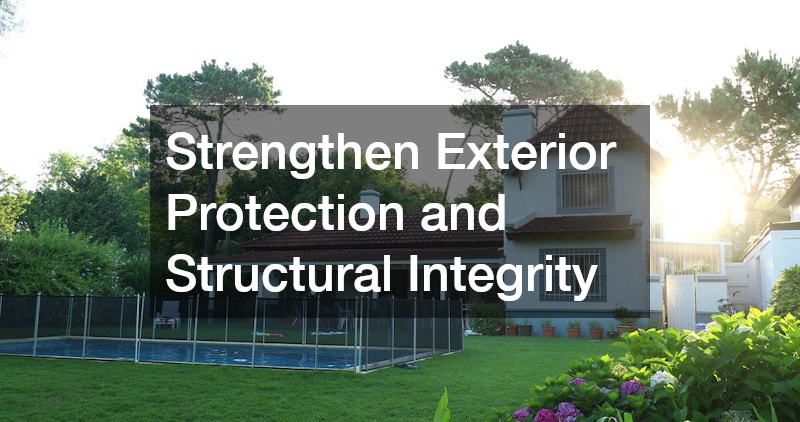
Your home’s exterior is its first line of defense against weather and environmental factors. Working with a roofing contractor and siding contractors helps ensure that your home remains protected and energy-efficient.
Key areas to focus on include:
-
Inspecting roofs for leaks, missing shingles, or wear
-
Repairing or replacing damaged siding
-
Improving insulation to reduce energy loss
-
Addressing water drainage issues
Benefits of exterior upgrades:
-
Enhanced durability and longevity
-
Improved energy efficiency
-
Increased curb appeal
-
Reduced maintenance costs
Regular inspections and maintenance are essential for preserving these benefits. Addressing issues early prevents more extensive damage and costly repairs.
Plan Comprehensive Exterior Improvements for Long-Term Value
A coordinated approach to exterior home remodeling ensures that all upgrades work together to enhance both appearance and functionality.
Consider the following strategies:
-
Update materials to improve durability and aesthetics
-
Incorporate energy-efficient solutions
-
Improve drainage systems to prevent water damage
-
Align exterior design with interior upgrades
Planning ahead allows homeowners to:
-
Avoid redundant work
-
Save on labor and material costs
-
Achieve a cohesive look
-
Increase overall property value
A well-executed exterior remodel not only improves your home’s appearance but also enhances its long-term performance.
Create Functional Outdoor Living Spaces for Everyday Use
Outdoor spaces are an extension of your home, providing areas for relaxation, entertainment, and daily activities. Working with a pergola builder can help create shaded, comfortable spaces that are both functional and visually appealing.
Design considerations include:
-
Selecting durable, weather-resistant materials
-
Incorporating seating and lighting
-
Ensuring proper placement for shade and airflow
-
Creating layouts that support various activities
Benefits of outdoor living spaces:
-
Increased usable square footage
-
Enhanced property value
-
Improved quality of life
-
Opportunities for social gatherings
Thoughtful design ensures that outdoor areas are comfortable, practical, and aligned with your lifestyle.
Add Water Features for Relaxation and Entertainment

Water features add a sense of luxury and relaxation to outdoor spaces. Collaborating with a pool builder allows homeowners to design customized features that fit their property and preferences.
Adding a hot tub can further enhance the experience by providing year-round relaxation.
Key considerations include:
-
Safety features such as fencing and covers
-
Maintenance requirements for water quality
-
Energy efficiency of pumps and heaters
-
Integration with landscaping and outdoor design
Benefits of water features:
-
Increased property value
-
Enhanced outdoor enjoyment
-
Opportunities for recreation and relaxation
-
Aesthetic appeal
Proper planning and maintenance ensure that these features remain enjoyable and functional.
Coordinate Interior and Exterior Projects Efficiently
Managing multiple remodeling projects requires careful coordination to avoid delays and unnecessary costs.
Effective strategies include:
-
Scheduling projects in logical order
-
Communicating clearly with contractors
-
Planning material deliveries in advance
-
Monitoring progress regularly
Benefits of coordination:
-
Reduced downtime between projects
-
Improved efficiency
-
Lower overall costs
-
Better project outcomes
Staying organized ensures that all aspects of your remodeling plan are completed smoothly.
Budget Strategically for Large-Scale Home Improvements
Budgeting is a critical component of any remodeling project. Proper planning helps prevent overspending and ensures that funds are allocated effectively.
Key steps include:
-
Estimating costs for each project
-
Setting aside contingency funds
-
Comparing quotes from multiple contractors
-
Prioritizing essential upgrades
Tips for managing costs:
-
Focus on high-impact improvements
-
Avoid unnecessary upgrades
-
Plan projects in phases if needed
-
Track expenses throughout the process
A well-planned budget supports successful project completion and reduces financial stress.
Choose Qualified Professionals for Each Project
Selecting the right professionals is essential for achieving quality results. Experienced contractors bring expertise, efficiency, and reliability to your projects.
When evaluating professionals:
-
Verify credentials and experience
-
Review past projects and customer feedback
-
Request detailed proposals
-
Confirm warranties and service guarantees
Questions to ask include:
-
What is your timeline for completion?
-
How do you handle unexpected issues?
-
What materials do you recommend?
-
How will communication be managed?
Choosing qualified professionals ensures that your remodeling projects are completed to a high standard.
Maintain Upgrades for Long-Term Performance
Once improvements are complete, ongoing maintenance is necessary to preserve their benefits.
Maintenance practices include:
-
Regular inspections of all systems
-
Cleaning and upkeep of interior and exterior features
-
Addressing minor issues promptly
-
Keeping records of repairs and warranties
Benefits of consistent maintenance:
-
Extended lifespan of upgrades
-
Reduced repair costs
-
Improved efficiency
-
Enhanced comfort and safety
A proactive approach ensures that your home remains in excellent condition over time.