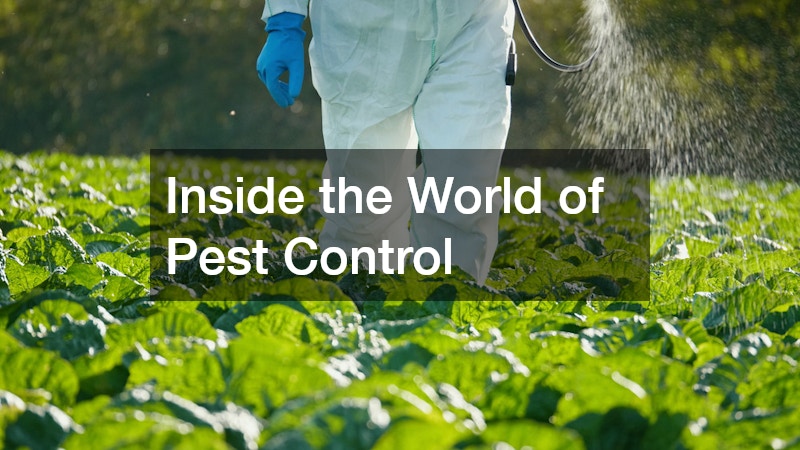
Explore the fascinating world of pest control, where professionals employ a blend of science and strategy to manage and eliminate pests. This article delves into the complexities and challenges faced by those in this field. Pest control professionals often find themselves balancing the intricate dynamics of ecology and technology in crafting effective solutions.
1. What Do Pest Control Professionals Do?
1.1 Daily Responsibilities
Pest control professionals wake up each day knowing their efforts play a crucial role in maintaining hygienic living and working environments. Their duties often commence with inspecting spaces, identifying pest problems, and deciding on intervention strategies. Utilizing environmentally responsible methods is paramount, as professionals aim to reduce harm while achieving effective control. This dedication helps maintain ecological balance even as they fight to reclaim infested areas.
1.2 Assessment and Identification
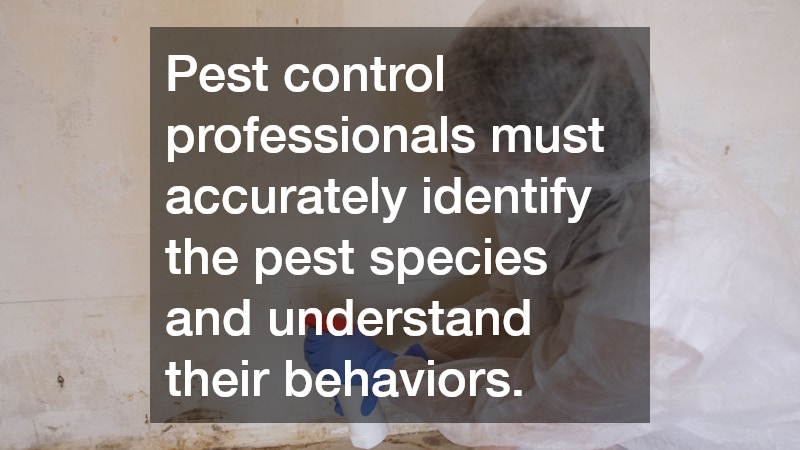
Before implementing any treatment methodology, the first step always involves detailed inspection and assessment. Pest control professionals must accurately identify the pest species and understand their behaviors and habitats. This critical knowledge allows them to devise suitable strategies to tackle different pests such as termites, bed bugs, or cockroaches. Identification processes also include recording infestation severity and analyzing entry points to prevent future incidents.
1.3 Treatment Methods
A diverse array of treatment methods is at the disposal of pest control professionals to handle the myriad of problems presented by pests. From mechanical traps and chemical sprays to heat treatments and biological controls, professionals choose the most appropriate solution based on their assessment. Strategies frequently involve a combination of treatments that target pests without harming the surrounding ecosystem.
1.4 Preventative Measures
Implementing preventative measures is crucial in pest control to avert future infestations. Specialists advise on structural adjustments and proper waste management to minimize pest attraction. Strategies include sealing entry points and regular maintenance. These ongoing efforts ensure long-term peace of mind.
2. How Do Pest Control Services Work?
2.1 Initial Consultation
The initial consultation is vital in pest management, where the technician gathers information about the pest issue. Establishing a cooperative relationship sets a positive foundation for effective service. The consultation includes managing expectations and discussing treatment options and costs.
2.2 Inspection and Analysis
Inspection and analysis form the substantive core of pest control services. Pest control professionals employ their expertise to carefully examine affected areas, identifying tell-tale signs of pest presence. Comprehensive inspections can reveal the extent of damage, pinpoint vulnerable areas, and locate nesting sites. Insight gained from these analyses is invaluable in tailoring the subsequent step in the pest management plan.
2.3 Custom Tailored Solutions
Every pest problem is unique, requiring solutions tailored to the situation. Professionals use data from inspections to design a plan personalized to client needs. Flexibility is key as specialists anticipate how pests might adapt. Custom solutions address current issues and incorporate preventive strategies to bolster defenses against future infestations.
2.4 Implementation of Services
Implementing pest control measures is an operation that requires precision and care. This stage encompasses everything from applying eco-friendly chemicals to setting physical traps and barriers. Experts carry out treatments with rigorous attention to safety protocols, safeguarding clients and the broader environment. Post-treatment, professionals often conduct follow-ups to verify the efficiency of the intervention and adjust plans if necessary, ensuring sustained success.
3. What Are the Common Challenges Faced?
3.1 Unexpected Infestations
Pest control professionals often deal with unexpected infestations that can escalate if unchecked, usually due to environmental changes or predator-prey imbalances. Effective treatment while minimizing ecological disturbance is crucial.
3.2 Environmental Concerns
Environmental concerns are significant for pest control professionals who aim for sustainability. The impact of chemical treatments on ecosystems is debated, leading to research into safer alternatives. Professionals also educate clients about environmentally friendly practices, requiring an industry open to progressive, data-driven approaches.
3.3 Safety Risks
Pest control involves safety risks managed through strict protocols. Handling chemicals, traps, and equipment requires vigilance. Protective gear is essential to minimize health risks, enabling companies to provide reliable services and maintain expertise.