Maintaining a home requires more than occasional cleaning and décor updates. To ensure safety, comfort, and efficiency, homeowners need to focus on the systems that keep a house running smoothly. From plumbing to HVAC, heating, roofing, and garage doors, each system plays a critical role in the functionality of your home. Neglecting maintenance or delaying necessary repairs can lead to costly emergencies, reduced system lifespans, and inconvenience.
Proactive home system upkeep also improves energy efficiency, minimizes unexpected downtime, and protects your investment. Scheduling regular inspections, performing seasonal maintenance, and addressing minor issues early are key to avoiding larger problems. This guide provides practical, actionable strategies for keeping your home systems in optimal condition. It covers water, heating, cooling, roofing, garage doors, and plumbing, providing tips that save time, money, and stress while ensuring your home operates at peak performance.
Beyond the technical considerations, regular system maintenance helps homeowners better understand their home’s needs. Knowing how your systems operate and recognizing early signs of malfunction can prevent emergencies and help you plan for future upgrades. A home that is well-maintained not only functions efficiently but also retains its value, providing long-term peace of mind. By approaching each system with a clear strategy, you can ensure your home remains comfortable, safe, and energy-efficient throughout the year.
Maintain Efficient Water Systems
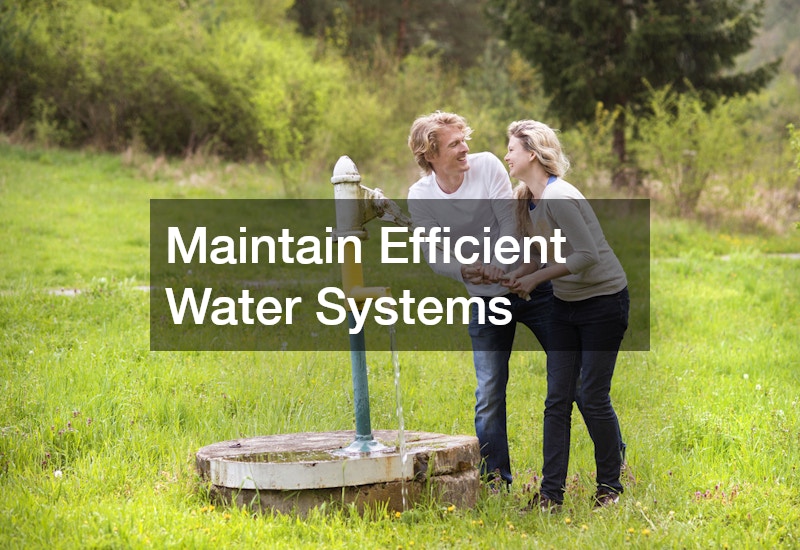
Water is one of the most essential utilities in a home, yet issues often go unnoticed until they become severe. Proper maintenance of wells, pumps, and plumbing systems is vital to avoid damage and ensure reliable service. Homeowners should schedule regular inspections and monitor water pressure, flow rates, and unusual sounds.
Well pumps are critical components for homes relying on private water sources. A malfunctioning pump can reduce water pressure, create an inconsistent supply, or cause complete system failure. Professional well pump repair ensures that pumps are operating correctly, reducing the risk of contamination and costly emergency replacements. Regular servicing and timely repairs extend equipment life and maintain water quality. Additionally, inspecting electrical connections and pressure switches can prevent sudden pump failures, which could leave the household without water.
Plumbing maintenance is equally important. Leaks, slow drains, or corrosion in pipes can escalate into major problems if ignored. Routine inspections, combined with preventative care such as flushing water heaters and cleaning aerators, help avoid emergencies. Regularly checking for hidden leaks in crawl spaces, basements, or behind walls can prevent significant structural damage. Homeowners should also winterize outdoor faucets and irrigation lines to prevent freezing, which can damage pipes and require costly repairs.
Tips for maintaining water systems:
- Schedule annual well pump inspections and routine plumbing check-ups
- Monitor water pressure and flow regularly
- Address leaks or noises promptly
- Maintain water heaters and filtration systems
- Insulate exposed pipes to prevent freezing
- Keep the contact information of a local plumber readily available
- Check outdoor irrigation systems seasonally
By prioritizing water system maintenance, homeowners reduce unexpected costs and ensure a consistent, safe water supply throughout the home.
Keep Your HVAC Systems in Peak Condition
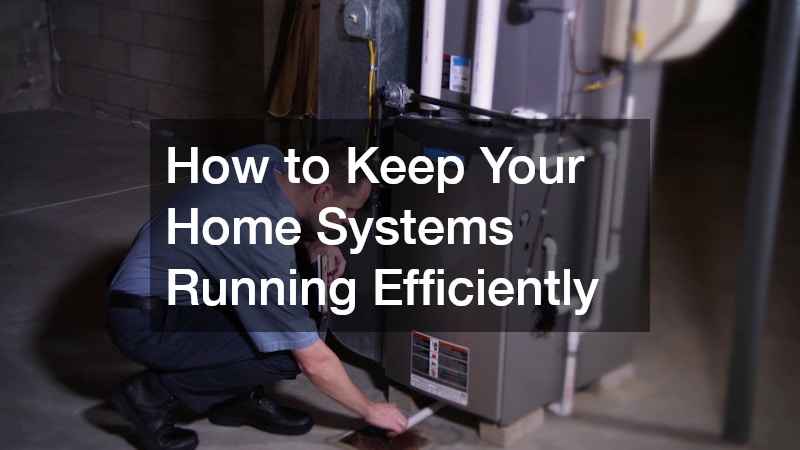
HVAC systems are essential for comfort, energy efficiency, and indoor air quality. Regular services prevent breakdowns, improve performance, and extend equipment lifespan. Proper maintenance includes inspecting ductwork, cleaning or replacing filters, checking refrigerant levels, and ensuring thermostats function correctly.
A preventative approach minimizes energy waste and reduces the likelihood of costly repairs. Professional technicians can identify issues that may go unnoticed, such as minor leaks, clogged drains, failing motors, or refrigerant imbalances. Scheduling seasonal inspections allows homeowners to prepare for both summer and winter demands, reducing stress and improving system reliability. In addition, cleaning condenser coils, sealing ductwork, and adjusting airflow can improve energy efficiency and maintain even temperature distribution throughout the home.
Tips for maintaining HVAC systems:
- Schedule professional inspections twice a year, before heating and cooling seasons
- Clean or replace filters every 1–3 months
- Check for unusual noises, leaks, or uneven airflow
- Maintain clear airflow around outdoor units
- Monitor energy bills for unexpected spikes, which may indicate system inefficiency
- Seal gaps and cracks in ductwork to optimize airflow
- Keep vents unobstructed and clean for better circulation
Regular HVAC services protect your home environment, enhance comfort, and prevent unexpected malfunctions during extreme weather, ensuring both efficiency and longevity.
Ensure Reliable Heating Through Timely Repairs
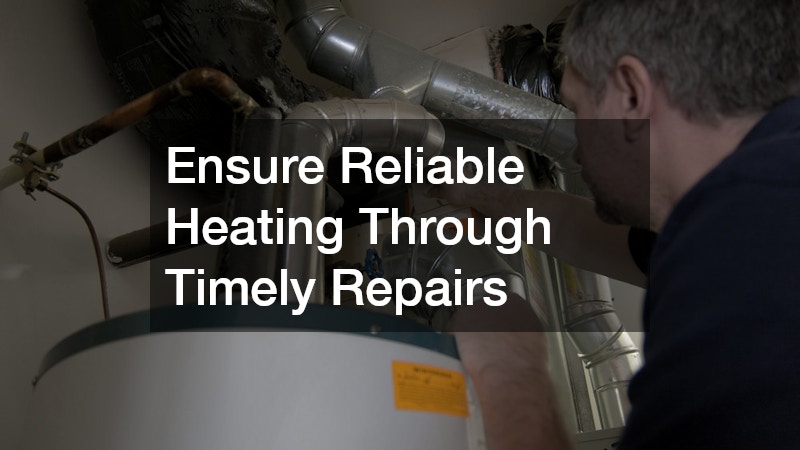
A reliable heating system is critical during cold months, and proactive maintenance prevents emergency repairs. Furnaces, heat pumps, and radiators all require periodic inspection to ensure efficient operation. Scheduling timely furnace repair helps prevent costly breakdowns and ensures a comfortable indoor environment.
Common signs that your heating system needs attention include uneven temperatures, strange noises, rising energy bills, and frequent cycling on and off. Preventative maintenance involves inspecting the heat exchanger, cleaning burners, lubricating motors, testing thermostats, and ensuring safety controls are operational. Checking vent systems for blockages and cleaning ducts helps maintain airflow and prevents carbon monoxide hazards. Regular maintenance ensures energy efficiency, reduces the risk of unexpected failures, and extends system lifespan.
Homeowners should also be aware of carbon monoxide risks and ensure detectors are functioning correctly. Annual inspections by licensed professionals can identify hidden hazards and maintain compliance with safety standards. Minor issues, such as a noisy blower or drafty vents, may indicate larger problems, and addressing them early can save significant costs and improve safety.
Tips for maintaining heating systems:
- Schedule annual furnace inspection before the heating season
- Clean vents and radiators to ensure proper airflow
- Replace filters regularly for consistent efficiency
- Check thermostat settings and operation
- Address unusual noises or odors promptly
- Inspect heat exchangers for cracks or wear
- Monitor carbon monoxide detectors and safety devices
Investing in timely heating repairs extends system lifespan, improves energy efficiency, and provides peace of mind during the coldest months of the year.
Protect Your Roof and Prevent Damage
The roof is one of the most critical protective elements of a home. Roof damage can lead to leaks, structural issues, and interior damage if left unaddressed. Regular inspections identify minor issues before they escalate into costly repairs. Homeowners should examine shingles, flashing, gutters, and attic ventilation.
Roof repair is essential to prevent long-term damage. Missing shingles, leaks, or damaged underlayment can compromise the roof’s integrity and increase energy loss. Scheduling professional inspections ensures repairs are handled safely and efficiently. Working with experienced local roofers guarantees quality workmanship, proper material selection, and compliance with building codes. Seasonal maintenance, such as clearing debris, inspecting for moss or algae, and checking for loose fasteners, prevents common wear-related damage.
Preventative strategies also involve monitoring attic insulation, ventilation, and drainage systems. Properly maintained roofs reduce moisture buildup, prevent ice dams, and extend the overall lifespan of the structure. Regular inspections and minor repairs help avoid larger expenses associated with complete roof replacement.
Tips for maintaining a roof:
- Inspect roofs at least twice a year and after severe weather
- Clean debris from gutters and downspouts regularly
- Check attic for signs of leaks or moisture
- Repair damaged shingles or flashing promptly
- Coordinate with local roofers for professional evaluations
- Ensure proper attic ventilation to prevent heat and moisture buildup
- Check seals around vents, chimneys, and skylights
A well-maintained roof preserves the home’s structural integrity, prevents interior damage, and contributes to energy efficiency and long-term value.
Keep Your Garage Doors Functional and Safe
Garage doors are not just convenient—they are critical for security and safety. Malfunctioning doors can pose risks to property and family members. Routine inspections and minor maintenance can prevent accidents and costly replacements.
Garage door repair addresses issues such as misaligned tracks, worn rollers, broken springs, or malfunctioning openers. Homeowners should look for unusual noises, uneven movement, slow operation, or door jerking. Engaging a local garage door repair company ensures professional repairs, proper alignment, and safe installation. Technicians also inspect emergency release mechanisms and safety sensors to protect residents.
Tips for garage door upkeep:
- Schedule professional inspections annually or as needed
- Lubricate rollers, hinges, and springs regularly
- Test safety sensors monthly
- Keep tracks clear of debris
- Repair damaged panels or components promptly
- Inspect cables and hardware for wear
- Ensure emergency release mechanisms function properly
Maintaining garage doors enhances security, reduces repair costs, and ensures smooth operation for years, preventing both inconvenience and safety hazards.
Maintain Efficient Plumbing Systems
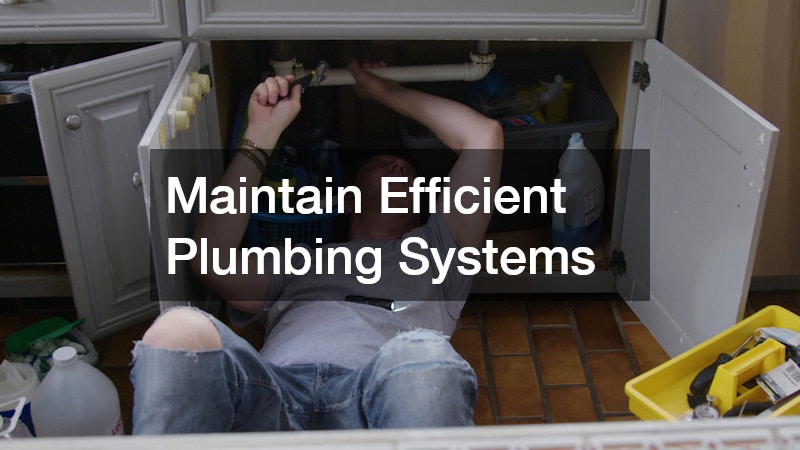
Plumbing problems can escalate quickly, causing water damage, structural issues, and costly repairs. Routine plumbing repair and inspections help prevent leaks, blockages, and pipe corrosion. Checking supply lines, faucets, water heaters, and drainage systems regularly can identify minor issues before they become emergencies.
A reliable local plumber provides both emergency and preventative services. Early intervention reduces the risk of pipe bursts, water damage, and expensive repairs. Maintenance also includes cleaning drains, inspecting shutoff valves, flushing water heaters, and monitoring water pressure. Detecting hidden leaks behind walls or under floors can prevent significant property damage. Seasonal preparation, such as insulating pipes before winter, ensures continued service and reduces risk.
Homeowners can also implement small improvements like replacing old washers, updating faucets, and checking sump pumps. Monitoring water bills and consumption patterns may reveal inefficiencies or leaks that are otherwise invisible.
Tips for plumbing maintenance:
- Schedule annual inspections for pipes, water heaters, and fixtures
- Monitor water pressure and flow for anomalies
- Address leaks or slow drains promptly
- Flush water heaters and clean aerators
- Insulate exposed pipes to prevent freezing
- Keep a local plumber’s contact for emergencies
- Test sump pumps and drainage systems regularly
Consistent plumbing upkeep ensures water systems operate efficiently, prevents emergencies, and safeguards property and personal belongings.
Coordinate Home System Maintenance Strategically
Coordinating maintenance across multiple systems prevents overlap and ensures nothing is overlooked. Developing a seasonal or annual checklist allows homeowners to schedule HVAC, plumbing, heating, roof, and garage door inspections efficiently. Planning maintenance ahead reduces stress and prevents costly emergency repairs.
Prioritizing high-risk or aging equipment ensures resources are allocated effectively. Tracking maintenance history, warranties, and repair dates helps anticipate future needs. Professional guidance can assist in creating a realistic schedule that maximizes both safety and efficiency. Combining DIY monitoring with professional inspections ensures nothing is missed, while making the most of time and resources.
Tips for effective coordination:
- Create a comprehensive maintenance calendar
- Group tasks by season for HVAC, plumbing, and roofing
- Monitor energy usage to detect early inefficiencies
- Document all inspections and repairs
- Schedule professional services well in advance of peak seasons
- Review system manuals and maintenance recommendations
- Communicate with contractors about overlapping projects
A coordinated approach reduces emergencies, extends system lifespans, and improves overall home efficiency and comfort.
Optimize Energy Use and System Efficiency
Energy-efficient homes save money, reduce environmental impact, and prolong equipment lifespan. Maintaining HVAC, heating, and water systems ensures they operate at peak efficiency. Routine maintenance reduces energy waste and improves performance.
Upgrades such as programmable thermostats, smart home controls, and insulation improvements enhance energy efficiency. Monitoring utility bills and performing energy audits can identify areas of inefficiency. Professional inspections uncover hidden issues, such as duct leaks, worn components, or inadequate insulation, that affect overall performance. Regular system tuning prevents energy overuse and keeps home systems running smoothly.
Tips for optimizing energy efficiency:
- Upgrade insulation and seal air leaks
- Replace outdated HVAC and water heating systems
- Utilize programmable thermostats or smart controls
- Conduct seasonal energy audits
- Maintain routine service on all major systems
- Check window seals and weather stripping
- Optimize lighting and appliance usage
Energy-conscious maintenance reduces utility costs, environmental impact, and system wear while improving long-term home comfort and reliability.
Budget Strategically and Prioritize High-Impact Projects
Effective home system maintenance requires careful budgeting. Allocating funds for preventative maintenance reduces emergency repair costs and prolongs equipment lifespan. Prioritizing high-impact areas such as HVAC systems, plumbing, heating, roofing, and garage doors ensures the greatest return on investment.
Phased renovation or maintenance strategies may be ideal for older homes or extensive systems. Scheduling updates and inspections strategically ensures critical issues are addressed without overextending resources. Tracking costs and outcomes of past maintenance helps with future planning. Combining preventative maintenance with timely repairs reduces unexpected financial burdens.
Tips for budgeting and prioritization:
- Track maintenance and repair expenses annually
- Allocate contingency funds for emergencies
- Compare professional service quotes before committing
- Focus on high-risk or aging systems first
- Review financing or service plans for major upgrades
- Schedule inspections during off-peak seasons to reduce costs
- Document warranties and service agreements for future reference
Strategic planning ensures maintenance projects deliver maximum value while preventing costly system failures and preserving home functionality.
Keeping a home’s systems running efficiently requires proactive planning, regular maintenance, and timely repairs. By addressing water, HVAC, heating, roofing, garage doors, and plumbing systematically, homeowners can prevent costly emergencies, reduce energy use, and maintain comfort year-round.
Professional inspections and preventative strategies complement routine DIY maintenance. Scheduling services strategically, tracking repairs, and prioritizing high-impact areas ensures longevity and optimal performance for all major systems. Combining attention to detail with expert support protects your home, enhances safety, and saves both time and money.
With a structured approach to upkeep, every system functions smoothly, creating a home that is safe, efficient, and comfortable for years to come. Proactive maintenance not only improves the immediate living experience but also enhances long-term property value, ensuring that your home remains an asset rather than a liability.